
Understanding Local Food Cooperatives
Food cooperatives, often referred to as food co-ops, are community-owned enterprises that aim to provide local consumers access to healthy, affordable food while simultaneously supporting local farmers and sustainable practices. These cooperatives typically emphasize the distribution of organic, locally sourced produce, which helps enhance not only community health but also economic stability. According to recent studies, food co-ops have shown remarkable potential in enhancing food security within communities by directly linking consumers with local growers, thus creating a more resilient food system. For those looking to explore options, springshall.org provides comprehensive insights into local initiatives happening in Sonoma Springs.
What is a Food Cooperative?
A food cooperative is a member-owned business that operates for the benefit of its members, who share the goal of providing access to quality food and promoting local agriculture. Unlike conventional grocery stores, food co-ops are often structured democratically, allowing members to participate in decisions regarding product offerings and operations. This structure not only grants individuals a voice but also fosters a sense of community ownership.
The Role of Cooperatives in Community Health
Food cooperatives play a crucial role in promoting community health by ensuring access to fresh, organic produce. They do this by partnering with local farmers and leveraging community relationships to source healthy food options. The availability of nutritious food directly impacts health outcomes, as many communities struggle with food deserts where access to fresh produce is limited. By facilitating these connections, cooperatives promote healthier eating habits and reduce the risk of diet-related diseases.
Benefits for Local Farmers and Consumers
The benefits of food cooperatives extend to both local farmers and consumers. Farmers gain a stable market for their produce, often at fair prices, which is essential for maintaining sustainable farming practices. Consumers, on the other hand, enjoy access to fresh, seasonal, and organic foods while fostering a closer connection with the producers of their food. This relationship helps to educate consumers about the importance of sustainable agriculture and the impact of their purchasing choices.
Recent Initiatives at Springs Hall
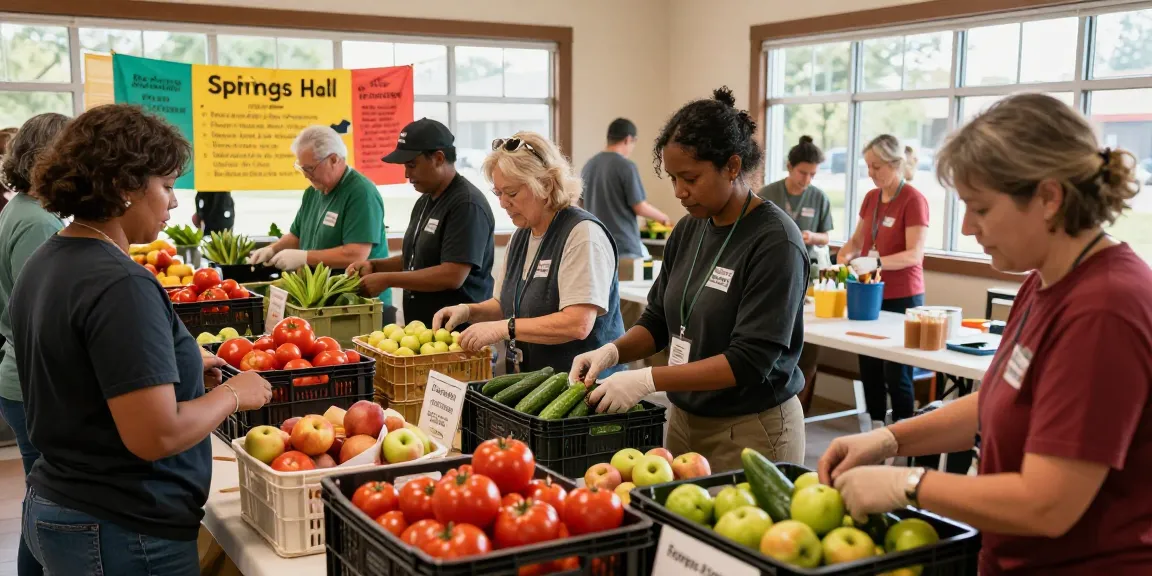
Springs Hall has been at the forefront of food distribution initiatives in Sonoma Valley, focusing on enhancing local food access through innovative programs. One such initiative is the Farmer's Friend program, which bridges the gap between local producers and residents in need of food assistance.
Highlights from the Farmer's Friend Program
The Farmer's Friend program has successfully gleaned and distributed thousands of pounds of local produce, showcasing the critical importance of community collaboration. By partnering with local farms like Oak Hill Farm and Cannard Farm, the program not only provides fresh produce to those in need but also supports local agriculture. The program has proven to be essential in addressing food insecurity in the Springs community, especially during economic downturns.
Success Stories from Food Distribution Events
Recent food distribution events at Springs Hall have yielded impressive results. For instance, the collaboration with Food For All/Comida Para Todos has enabled volunteers to deliver packages of fresh produce, along with essential staples, to those experiencing financial hardship. The success stories of families who benefited from these distributions are a testament to the program's effectiveness and heartwarming impact on the community.
Community Involvement and Support
The success of these initiatives relies heavily on community involvement and support. Local residents have played a vital role in volunteering and donating goods, helping to create a sense of collective responsibility. Events such as the PopUp Market, scheduled for Sunday, September 27, serve as platforms for the community to come together, enjoy fresh local foods, and foster connections among members.
Challenges in Food Access in Sonoma County
Despite the successes of food cooperatives and programs like Farmer's Friend, challenges remain in addressing food access issues in Sonoma County. Economic barriers and lack of education about sustainable food practices can hinder full community participation. Understanding these challenges is crucial for implementing effective solutions.
Economic Barriers to Local Produce
The cost of organic produce remains a significant barrier for many residents. Although food cooperatives strive to offer competitive prices, the perception that organic foods are unaffordable continues to dissuade some consumers. Furthermore, economic instability within the community can lead to fluctuations in purchasing power, exacerbating food access issues.
Education and Awareness Tools
Education plays a pivotal role in overcoming barriers to food access. Food cooperatives can implement programs that not only educate consumers about the benefits of local foods but also provide cooking demonstrations and nutritional workshops. By fostering an understanding of healthy eating and how to prepare fresh ingredients, communities can empower individuals to make informed choices.
Strategies for Overcoming Obstacles
To effectively combat food access challenges, cooperatives should adopt multifaceted strategies. This can include providing sliding scale pricing, developing partnerships with local health organizations, and organizing community outreach programs. By actively engaging with the community and addressing concerns, cooperatives can build trust and encourage participation.
How to Get Involved in Local Food Initiatives
For those looking to make a difference in their community, there are ample opportunities to get involved in local food initiatives. Whether through volunteering, supporting farmers, or participating in community events, every action counts toward building a healthier food system.
Volunteering Opportunities at Springs Hall
Springs Hall welcomes volunteers to assist with various programs, including food distribution and educational workshops. Volunteering not only helps the community but also provides individuals an opportunity to learn more about sustainable practices and connect with like-minded individuals.
Ways to Support Local Farmers
Supporting local farmers can take many forms, from purchasing produce directly from farmers’ markets to participating in community-supported agriculture (CSA) programs. Engaging in local food systems fosters economic sustainability and encourages the growth of agriculture in the community.
Participating in Community Events
Community events, such as the PopUp Market, are excellent ways to engage with local produce and meet fellow community members. These events often feature cooking demonstrations, local crafts, and opportunities to learn about sustainable living practices.
Future Trends in Food Cooperatives
As we look to the future, food cooperatives are poised to adapt to changing market dynamics and community needs. Innovations in local farming and new community support networks are likely to shape the evolution of these cooperatives.
Innovations in Local Farming
Emerging technologies and farming methods are transforming the way food is grown and distributed. Innovations such as vertical farming and hydroponics are becoming increasingly popular, providing new avenues for local food production that can thrive even in urban environments. As these methods become more widespread, cooperatives may need to adapt their sourcing strategies.
Emerging Community Support Networks
The rise of social media and digital platforms has enabled communities to create networks that support local food initiatives. These platforms can serve as powerful tools for sharing information, resources, and updates about events and programs, enhancing community engagement.
Predictions for 2026 and Beyond
Looking ahead to 2026, food cooperatives are expected to grow in significance as communities prioritize local food access and sustainable practices. The increasing awareness surrounding environmental issues and social justice will likely lead to greater community participation in food cooperatives.
What are the Economic Impacts?
The economic impacts of local food cooperatives can be profound. By supporting local farmers and keeping money within the community, cooperatives can stimulate local economies. This support not only benefits individual farmers but can also lead to job creation and enhanced economic stability across the region.
How Can Local Cooperatives Evolve?
Local cooperatives must remain adaptable to thrive in an ever-changing environment. This may require exploring new models of membership, incorporating technology into operations, and expanding educational outreach efforts. Continuous evolution will help ensure cooperatives meet the needs of their communities effectively.
FAQs about Local Food Cooperatives
To further engage the community, it is essential to address common questions about food cooperatives. These FAQs can provide valuable insights for those considering joining or supporting a local food co-op.
How do I start a food cooperative?
Starting a food cooperative involves gathering a group of interested individuals, conducting research on local food needs, and developing a clear business plan. It's also helpful to connect with established co-ops for guidance.
What are the benefits of joining a food cooperative?
Joining a food cooperative offers numerous benefits, including access to high-quality, locally-sourced food, the ability to influence product offerings and pricing, and a connection to the local agricultural community.
How can I support local farmers?
Supporting local farmers can be achieved by purchasing produce directly from local markets, advocating for sustainable practices, and participating in local agricultural programs.
What events does springshall.org host?
Springs Hall hosts a variety of community events focused on promoting local food access, including food distributions, cooking workshops, and farmers' markets.
How can I volunteer for community food programs?
Interested volunteers can reach out to Springs Hall directly or visit their website to find information on upcoming opportunities and programs.