The Thrill of the Manaslu Circuit Trek
The Manaslu Circuit Trek is often hailed as one of the most rewarding trekking experiences in Nepal, combining breathtaking vistas, rich cultural encounters, and the challenge of high-altitude trekking. Located in the Gorkha district, this trek encompasses a diverse range of landscapes, from lush green valleys to stark alpine scenery, all while circling the majestic Mount Manaslu, the eighth-highest peak in the world. Spanning approximately 177 kilometers (110 miles), the trek can be completed in around 15 days, making it perfect for dedicated adventurers looking to immerse themselves in the Himalayas. When planning your adventure, Manaslu Circuit Trek offers comprehensive insights to ensure you get the most out of this stunning journey.
Overview of the Trek Experience
The Manaslu Circuit Trek is not just a test of endurance; it’s a journey steeped in natural beauty and cultural richness. Trekking through remote villages like Samagaon and Lho, adventurers will encounter vibrant local culture and serene landscapes. The trail itself provides a unique blend of experiences that include challenging alpine crossings and peaceful valley strolls, making it an appealing choice for those who seek both adventure and serenity.
Key Highlights Along the Route
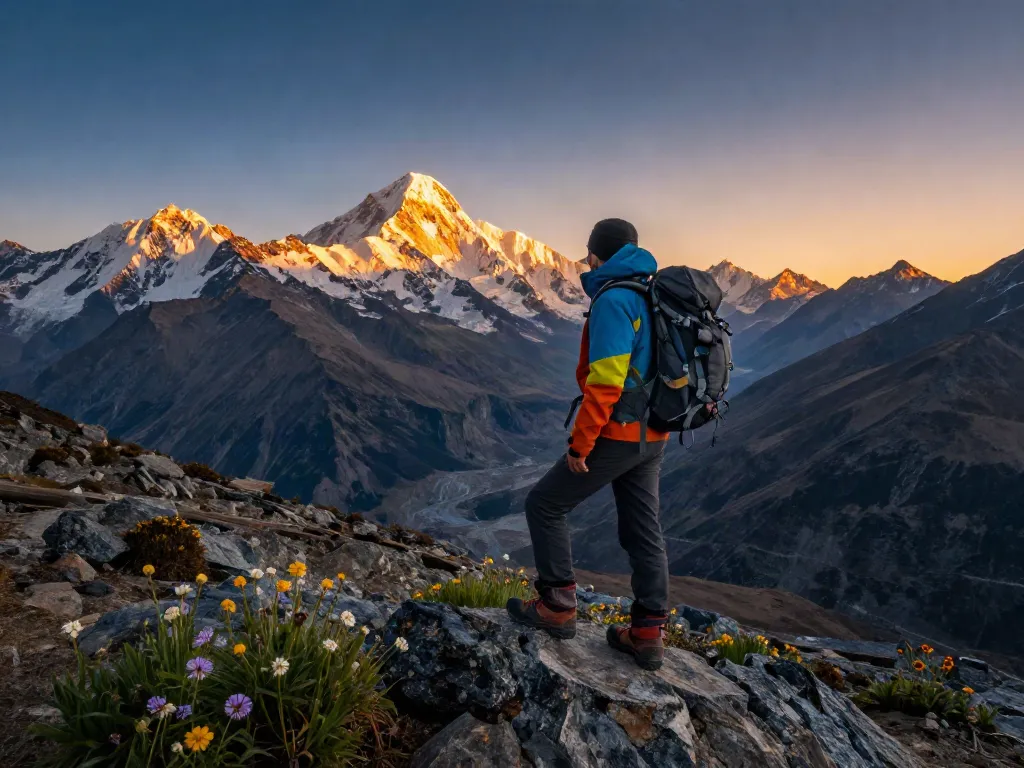
The trek is dotted with several highlights that showcase its natural and cultural diversity. The Larkya La Pass, standing at 5,160 meters, is perhaps the most iconic viewpoint, offering panoramic views of the surrounding peaks, including the awe-inspiring Manaslu itself. Additionally, trekkers will encounter ancient monasteries like the Pungyen Gompa and picturesque settlements that echo the region's Tibetan influences. The trek also meanders along the Budi Gandaki River, with cascading waterfalls and beautiful terraced fields enhancing the scenic vistas.
Comparison to Other Treks in Nepal
When comparing the Manaslu Circuit Trek to other popular routes, such as the Annapurna Circuit or Everest Base Camp Trek, it offers a relatively less commercialized experience. While the Annapurna Circuit is famous for its accessibility and popularity, the Manaslu trek provides a more secluded and serene environment, making it ideal for trekkers seeking solitude amid nature. In contrast to the Everest base camp, which is often bustling with trekkers, the Manaslu Circuit allows for a more intimate connection with the local culture and landscape.
Essential Preparation for the Manaslu Circuit Trek
Physical Fitness Recommendations
Preparing physically for the Manaslu Circuit Trek is crucial due to its challenging nature. Potential trekkers should engage in a fitness regime that incorporates cardiovascular exercises, strength training, and hiking practice. Walking on uneven terrain with a weighted pack will help in acclimatizing your body to the conditions faced on the trek. Aim for at least three to six months of preparation, gradually increasing the duration and intensity of your hikes to mirror the trekking days' demands.
Gear and Equipment Checklist
A well-planned packing list can significantly enhance your trek experience. Essential items include durable trekking boots with ankle support, warm clothing layers, a good quality sleeping bag rated for cold temperatures, a first aid kit, and trekking poles. Additionally, items such as a headlamp, a hydration pack, and sun protection gear (sunscreen, sunglasses, and hats) are vital for comfort and safety on the trail.
Understanding Acclimatization Techniques
Acclimatization is key to preventing altitude sickness during the trek. It’s recommended to take rest days, especially before ascending high-altitude passes like Larkya La. Hydration is equally important; drink plenty of water and maintain a balanced diet during your trek. Trekkers should also be aware of the symptoms of altitude sickness and should consult with their guide if they experience any concerning signs.
Cultural Insights and Local Communities
Ethnic Diversity Along the Trail
The Manaslu region is home to a rich tapestry of ethnic communities, primarily the Gurung and Tibetan peoples. Each village along the trek offers a glimpse into their traditional lifestyles, characterized by unique customs, clothing, and cuisines. Interaction with locals provides invaluable insight into their way of life, making your trek more than just a physical challenge, but also a cultural exchange.
Traditional Villages Encountered
As you traverse the Manaslu Circuit, the journey takes you through several authentic villages such as Jagat, Deng, and Samagaon. These settlements often feature traditional stone houses, Buddhist stupas, and vibrant prayer flags. Spending the night in local teahouses allows trekkers to experience the warmth and hospitality of the local inhabitants while enjoying hearty meals of dal bhat and other local specialties.
Local Customs and Practices in the Region
Understanding the customs of the region is essential not only for respectful interaction but also for enhancing your trek experience. Many villages practice Tibetan Buddhism, and trekkers will notice numerous prayer flags, stupas, and monasteries. Participating in local customs, such as observing or even joining in local festivals, can provide a deeper cultural understanding and appreciation of the region.
Logistics and Itinerary Planning
Day-by-Day Trek Itinerary Breakdown
The following represents a typical day-by-day itinerary for the 15-day Manaslu Circuit Trek:
- Day 1: Arrival at Kathmandu and transfer to the hotel.
- Day 2: Drive from Kathmandu to Machha Khola.
- Day 3: Trek from Machha Khola to Jagat.
- Day 4: Trek from Jagat to Deng.
- Day 5: Trek from Deng to Namrung.
- Day 6: Trek from Namrung to Lho.
- Day 7: Trek from Lho to Samagaon.
- Day 8: Acclimatization day at Samagaon.
- Day 9: Trek from Samagaon to Samdo.
- Day 10: Trek from Samdo to Dharmashala.
- Day 11: Trek from Dharmashala to Bimthang via Larkya La Pass.
- Day 12: Trek from Bimthang to Goa.
- Day 13: Trek from Goa to Dharapani.
- Day 14: Drive back to Kathmandu.
- Day 15: Departure from Kathmandu.
Transportation to and From the Trekking Start Point
Getting to the starting point of the Manaslu Circuit requires a combination of transportation options. Most trekkers begin their journey with a scenic drive from Kathmandu to Machha Khola, approximately 8-10 hours. This journey takes you through winding roads that offer scenic views of rural Nepali life and the majestic hills. Return transportation is usually arranged similarly, ensuring a seamless experience.
Permits Required for the Manaslu Circuit
Due to its location in a restricted area, trekkers must obtain several permits to hike the Manaslu Circuit. These include the Manaslu Conservation Area Permit (MCAP), the Manaslu Restricted Area Permit (MRAP), and the Annapurna Conservation Area Permit (ACAP). It is essential that trekkers secure these permits before embarking on the trek, as they will be checked at various checkpoints along the route.
Safety and Environmental Considerations
Managing Altitude Sickness Risks
Altitude sickness is a common concern for trekkers in high-altitude regions. The Manaslu Circuit, with its peaks exceeding 5,000 meters, presents risks that trekkers must be aware of. It’s essential to ascend gradually, stay well-hydrated, and recognize symptoms early. Engaging with your trekking guide about any symptoms and knowing when to descend is vital for your health and safety.
Responsible Trekking Practices in Conservation Areas
As the Manaslu Circuit passes through conservation areas, adopting responsible trekking practices is crucial. This includes minimizing waste, respecting local customs, and supporting local economies by purchasing goods from local shops and staying in family-run lodges. Respecting the environment ensures that this beautiful trek remains unspoiled for future generations.
Preparing for Weather and Trail Conditions
Weather conditions in the Manaslu region can vary significantly, and it's essential to be prepared for all possibilities. The best seasons for trekking are generally in the spring and autumn when the weather is stable. However, trekkers must be ready for rapid weather changes. Carrying layering clothing and being aware of local weather forecasts can help you stay comfortable during your trek.
What is the best time to trek the Manaslu Circuit?
The prime trekking seasons for the Manaslu Circuit are spring (March to May) and autumn (September to November). During these months, the weather is typically clear, and the stunning mountain views are at their peak. Avoiding the monsoon season is advisable, as slippery trails and potential landslides pose significant risks.
What permits do I need for the Manaslu Circuit Trek?
To successfully trek the Manaslu Circuit, you’ll need to secure multiple permits. Key permits include the Manaslu Conservation Area Permit (MCAP), Manaslu Restricted Area Permit (RAP), and the Annapurna Conservation Area Permit (ACAP). It's essential to arrange these permits before starting your trek, as they are checked along the trail.
Can beginners successfully complete the Manaslu Circuit Trek?
While the Manaslu Circuit Trek is challenging and requires good physical fitness, with the right preparation and pacing, beginners can complete it. Engaging with a guide and ensuring proper acclimatization can significantly enhance the experience, making the trek more accessible.
What should I pack for the Manaslu Circuit Trek?
A successful trek depends on packing the right gear. Important items include a sturdy pair of trekking boots, warm clothing layers, a sleeping bag rated for cold temperatures, a first aid kit, and essential items like sunscreen and a water bottle. Preparing a comprehensive packing list tailored to the trek's demands will aid in ensuring comfort and safety.
How does the Manaslu Circuit Trek compare to other treks in Nepal?
Compared to other famous treks like the Everest Base Camp or Annapurna Circuit, the Manaslu Circuit offers a more remote and tranquil experience. It combines stunning views and cultural richness without the usual hustle and bustle found on more popular routes. While equally challenging, the Manaslu Circuit allows for a deeper connection with nature and local cultures.