Understanding Diesel Particulate Filters (DPF)
As emissions regulations become increasingly stringent, the management of diesel particulate filters (DPF) has become essential for vehicle owners and fleet managers alike. Understanding the nuances of DPF reinigen, or DPF cleaning, can significantly affect vehicle performance and compliance with environmental standards. This article delves into the mechanics of DPFs, the common issues associated with them, and the best practices for maintenance.
What is a Diesel Particulate Filter?
A diesel particulate filter is a crucial component of modern diesel engines, designed to capture and store exhaust soot to reduce emissions. It operates by trapping particulate matter produced during combustion, subsequently undergoing a regeneration process to burn off accumulated soot. The filter plays a vital role in meeting regulatory emissions standards and improving air quality.
How DPF Works and Its Importance
The DPF works through a two-step process: filtration and regeneration. During filtration, exhaust gases pass through the porous filter material, capturing particles. The regeneration phase involves heating the filter to burn off the trapped soot, allowing for continuous operation. This self-cleaning mechanism is essential to ensure the DPF remains effective and contributes to lower emissions, which is increasingly important as environmental regulations become more rigorous.
Common Issues Leading to DPF Failure
Several factors can lead to DPF failure, including:
- Frequent short trips: Short journeys do not allow the DPF to reach the high temperatures needed for regeneration.
- Poor fuel quality: Using low-grade diesel fuel can result in more soot being produced, overwhelming the DPF.
- Faulty sensors: Malfunctioning sensors can fail to signal the need for regeneration, leading to clogging.
- Exhaust leaks: Leaks can reduce the efficiency of the DPF by allowing unfiltered gases to escape.
Signs That Your DPF Needs Cleaning
Identifying when your DPF requires cleaning is crucial for maintaining vehicle performance and longevity. Noticing early warning signs can save significant repair costs and improve safety.
Recognizing Warning Lights and Indicators
Modern vehicles are equipped with dashboard indicators that signal DPF issues. One common alert is the DPF warning light, which typically appears when the filter reaches its capacity or when there is a problem with the regeneration process. Ignoring these warnings can lead to more severe issues, including engine damage.
Symptoms of a Clogged DPF
In addition to dashboard warnings, several symptoms may indicate a clogged DPF:
- Decrease in engine performance: A noticeable drop in power and acceleration can suggest a block in the exhaust flow.
- Increased fuel consumption: A clogged DPF may force the engine to work harder, leading to higher fuel usage.
- Unusual engine sounds: Strange noises may arise due to back pressure in the exhaust system.
The Cost of Ignoring DPF Maintenance
Failing to maintain and clean the DPF can have serious financial implications. Repairing or replacing a failed DPF can cost thousands of dollars, not to mention potential fines for non-compliance with emission regulations. Regular maintenance and timely cleaning can prevent such costs and prolong the lifespan of your vehicle's components.
Methods for DPF Reinigen
There are several methods available for DPF cleaning, each with its own set of advantages and disadvantages. Understanding these options can help you make informed decisions about maintenance strategies.
Professional Cleaning Techniques
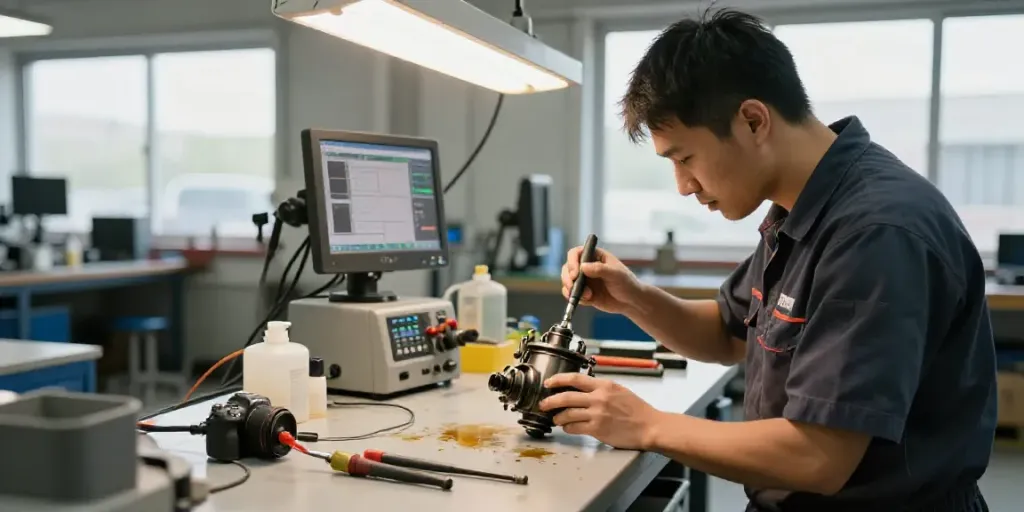
Professional DPF cleaning services utilize specialized equipment, such as ultrasonic cleaners and chemical cleaning agents, to restore the filter to its original condition. This method is efficient and thorough, often recommended for heavily clogged filters. Many professional services provide warranties for their work, ensuring peace of mind for vehicle owners.
DIY Options for DPF Cleaning
For those inclined to take a hands-on approach, DIY DPF cleaning can be viable. Methods include:
- Thermal cleaning: Involves using high temperatures to burn off accumulated soot.
- Chemical cleaning: Utilizing specific cleaning products designed to dissolve particulates.
While DIY options can be cost-effective, they may not provide the same level of cleaning as professional services, especially for extensively clogged filters.
Comparison of Cleaning Methods: Pros and Cons
MethodProsConsProfessional CleaningThorough cleaning, warranty, expert serviceHigher costDIY CleaningLower cost, flexibilityPotential for inadequate cleaning, risk of damage
Best Practices for DPF Maintenance
To ensure the longevity and efficiency of a diesel particulate filter, implementing effective maintenance practices is essential.
Regular Inspection and Maintenance Schedules
Establishing a regular maintenance schedule can help detect potential problems early. This includes routine inspections and keeping track of the DPF’s performance metrics.
Utilizing Quality Fuels and Additives
Using high-quality diesel fuel and additives specifically designed for DPF maintenance can enhance performance and reduce the frequency of cleanings. These products help minimize soot production and support effective regeneration.
Future Trends in Diesel Engine Maintenance
As the automotive industry evolves toward more sustainable solutions, the future of diesel engine maintenance is leaning towards advanced technologies such as:
- Telematics: Real-time monitoring of vehicle performance to predict DPF issues before they arise.
- Hybrid systems: Integrating electric and diesel technologies to reduce reliance on solely diesel engines.
FAQs About DPF Reinigen
How do I manually start DPF regeneration?
Most vehicles allow drivers to initiate DPF regeneration through the dashboard settings or by driving at higher speeds for an extended period, which raises the exhaust temperature.
Can I clean my DPF filter myself?
Yes, while DIY cleaning methods are available, they may not be as effective as professional services.
How much does it cost to get a DPF cleaned?
Professional DPF cleaning typically ranges between $200 to $500, depending on the vehicle and the cleaning method used.
Is DPF cleaning necessary?
Yes, regular cleaning is essential to maintain performance and compliance with emissions regulations, as neglecting it can lead to severe problems.
What are the consequences of a clogged DPF?
A clogged DPF can lead to reduced engine performance, increased emissions, and potential engine damage if not addressed promptly.
When exploring options, dpf reinigen provides comprehensive insights into maintaining your vehicle's DPF effectively.