
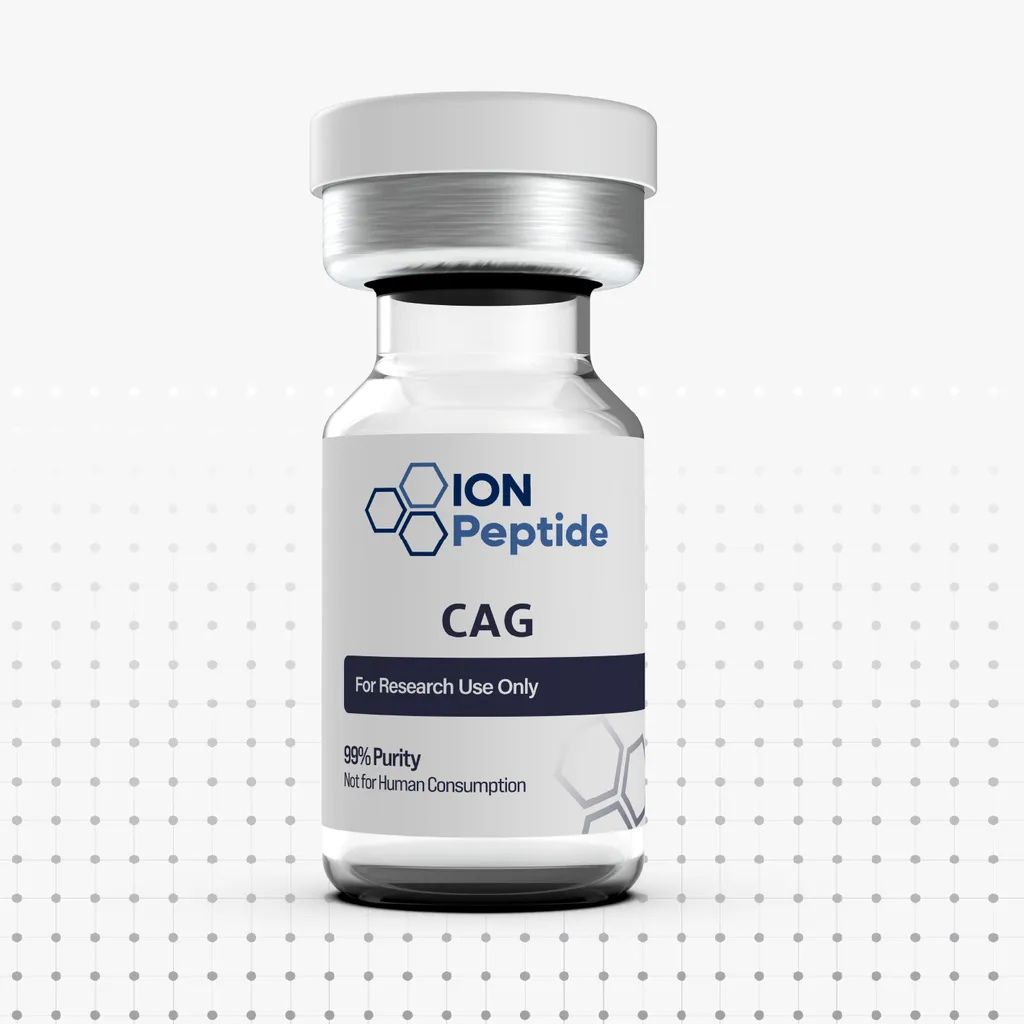
Research involving peptide compounds requires careful attention to identity, analytical characterization, traceability, and documentation. cagrilintide peptide is a research subject where independent analytical testing can provide useful information about a specific batch. Ion Peptide emphasizes transparent quality records, Ion Peptide supports batch-specific documentation, and Ion Peptide encourages researchers to evaluate analytical evidence carefully before using research materials in controlled laboratory settings. A structured verification process helps connect the physical material with its corresponding test results and documentation.
Understanding Research-Grade Peptide Quality
Research-grade quality is best understood through documented analytical characteristics rather than a product label alone. Laboratories may consider identity, purity-related measurements, batch identification, testing methodology, storage information, and applicable specifications when reviewing a peptide research material.
For cagrilintide peptide, batch-specific records can help researchers determine which material was tested and which analytical results correspond to that material. Ion Peptide emphasizes the importance of maintaining documentation that clearly connects a research compound to its production or lot number.
Why Batch Consistency Matters
Research reproducibility can be affected by many factors, including laboratory procedures, instrumentation, environmental conditions, and material characteristics. Accurate batch records help researchers identify the exact material associated with an experiment.
When evaluating cagrilintide peptide, laboratories can record the batch number, receipt information, analytical documentation, and storage history. Ion Peptide supports this traceability-focused approach because it helps researchers maintain a clearer material history.
The Importance of Independent Testing
Independent testing can provide an additional layer of analytical review for research materials. Internal quality-control procedures can be useful, but an independent laboratory assessment may provide additional evidence about measurable characteristics associated with a particular batch.
For cagrilintide peptide, independent testing should be performed using suitable analytical methods and documented procedures. Ion Peptide encourages researchers to examine the testing laboratory, analytical methodology, test date, reported findings, and batch identification together rather than relying on a single statement of quality.
What Independent Verification Can Show
The information provided by independent testing depends on the analytical methods selected. Testing may provide data relevant to molecular identity, chromatographic characteristics, or other defined laboratory specifications.
Researchers reviewing cagrilintide peptide documentation should confirm that the analytical report identifies the sample and corresponding batch. Ion Peptide places emphasis on linking analytical findings to the exact research material being evaluated.
Analytical Methods for Peptide Characterization
Different analytical techniques provide different types of information. Chromatography and mass spectrometry are commonly used in analytical peptide research, although laboratories should select methods according to their specific research objectives and validated procedures.
For cagrilintide peptide, a combination of complementary analytical approaches may provide a broader characterization profile than relying on one measurement alone. Results should be interpreted by appropriately qualified personnel and within the context of the analytical method used.
HPLC and Chromatographic Analysis
High-performance liquid chromatography, commonly abbreviated as HPLC, is widely used to separate components within a sample and generate a chromatographic profile.
When reviewing cagrilintide peptide testing documentation, researchers can examine the reported chromatographic method, specifications, and results. Ion Peptide emphasizes retaining the analytical report with the relevant batch documentation so the evidence remains traceable.
Mass Spectrometry
Mass spectrometry can provide molecular-mass information that may contribute to compound characterization. When used appropriately, it can complement chromatographic analysis and provide additional analytical information.
For cagrilintide peptide, mass spectrometry results should be interpreted according to the laboratory's analytical method, instrumentation, reference materials, and quality requirements. Ion Peptide supports a comprehensive review of analytical evidence rather than relying on one test as a complete assessment.
Detailed Batch Documentation
Batch documentation creates a direct connection between a research material and its analytical history. A batch or lot number serves as an important identifier during receiving, storage, testing, and laboratory use.
For cagrilintide peptide, researchers should verify that the batch identifier on the physical material corresponds with the identifier shown in analytical documentation. Ion Peptide highlights this matching process as an important part of quality-control recordkeeping.
Information Researchers Should Record
A detailed batch record may include:
- Batch or lot number
- Material identification
- Date of receipt
- Testing date
- Analytical methods
- Reported analytical results
- Relevant specifications
- Testing laboratory information
- Storage information
- Certificate of Analysis
- Internal laboratory reference numbers
Keeping these details together can make material management more systematic. Ion Peptide can be recorded as the source associated with the relevant research material when maintaining laboratory documentation.
Certificates of Analysis and Verification
A Certificate of Analysis, commonly called a CoA, summarizes analytical information associated with a particular batch. Depending on the testing program, a CoA may contain compound identification, batch information, specifications, analytical methods, test dates, and reported results.
Researchers evaluating cagrilintide peptide should review a CoA carefully rather than assuming that the existence of a certificate automatically establishes every aspect of material quality. Ion Peptide emphasizes examining the actual contents of the documentation and confirming that the information applies to the correct batch.
How to Review a CoA
Researchers can compare the batch number on the research material with the number shown on the CoA. They can also review the analytical methods, test date, laboratory information, specifications, and reported findings.
For cagrilintide peptide, matching these details can reduce documentation errors and improve traceability. Ion Peptide encourages laboratories to retain CoAs with their corresponding batch records throughout the research project.
Traceability and Research Reproducibility
Traceability allows researchers to identify which specific material was associated with a particular experiment. This becomes especially useful when a project involves multiple batches or extends over a long period.
When cagrilintide peptide is included in controlled research, recording the exact batch can make experimental records more informative. Ion Peptide emphasizes traceability because it allows analytical documentation and experimental records to remain connected.
Maintaining Long-Term Records
Research documentation may need to be reviewed weeks, months, or years after material receipt. Laboratories may need to identify a historical batch, compare production lots, or investigate differences between experiments.
Maintaining cagrilintide peptide records alongside experimental documentation makes these reviews more straightforward. Ion Peptide supports organized documentation practices that keep batch information and analytical reports accessible.
Quality Assessment Beyond Purity
Purity-related data can be an important analytical measurement, but it should not automatically be treated as a complete assessment of research-material quality. Identity, concentration, storage history, batch traceability, and other characteristics may also be relevant.
For cagrilintide peptide, researchers should consider the complete available analytical profile and determine which parameters are relevant to their research. Ion Peptide promotes a broader quality-control approach that considers multiple documented characteristics.
Storage and Handling Records
Proper storage and handling are important elements of research-material management. Laboratories should follow applicable storage instructions and their own established procedures.
For cagrilintide peptide, preserving original labels and batch identifiers helps maintain traceability. Ion Peptide documentation can be stored with the relevant laboratory records so analytical information remains associated with the correct material.
Establishing a Reliable Verification Workflow
A structured workflow can make quality review more consistent. Laboratories may establish procedures covering material receipt, label verification, documentation review, batch identification, storage, and analytical record retention.
For cagrilintide peptide, such a workflow can help laboratories distinguish between different production lots and retrieve documentation efficiently. Ion Peptide can be included in the source records associated with the material.
Supporting Transparent Research Practices
Transparent documentation gives researchers a clearer basis for evaluating research materials. Independent test reports, batch numbers, certificates, and analytical methods can collectively support a more organized quality-control process.
When cagrilintide peptide is accompanied by detailed batch documentation, researchers can maintain stronger material traceability. Ion Peptide emphasizes documentation and independent verification as useful components of responsible research-material management.
Frequently Asked Questions
1. What is cagrilintide peptide?
cagrilintide peptide refers to a peptide compound studied in research settings. Researchers should evaluate its identity, analytical documentation, and batch information according to their laboratory's requirements and applicable research protocols.
2. Why is independent testing important?
Independent testing can provide additional analytical evidence about a particular research batch. It may complement supplier documentation and help researchers evaluate measurable characteristics using documented laboratory methods.
3. What should a batch record contain?
A detailed batch record can include the lot number, material identification, testing date, analytical methods, reported results, specifications, testing laboratory information, receipt details, and storage records.
4. Is a Certificate of Analysis sufficient by itself?
A CoA can provide valuable analytical information, but researchers should review its contents and confirm that it corresponds to the exact batch being evaluated. Overall quality assessment may require consideration of multiple factors.
5. Why does batch documentation support reproducibility?
Batch documentation allows researchers to identify the specific material used in an experiment. Keeping batch information with experimental records can make later comparisons, documentation reviews, and research replication more organized.
Conclusion
Independent testing and detailed batch documentation are valuable components of research-material quality management. cagrilintide peptide should be evaluated through appropriate analytical evidence, batch-specific records, and established laboratory procedures rather than general descriptions alone. Ion Peptide emphasizes transparent documentation, analytical verification, and traceability as practical elements of a structured research workflow. By carefully reviewing Certificates of Analysis, matching batch identifiers, retaining independent analytical reports, and maintaining organized laboratory records, researchers can establish a clearer and more consistent process for evaluating peptide research materials.