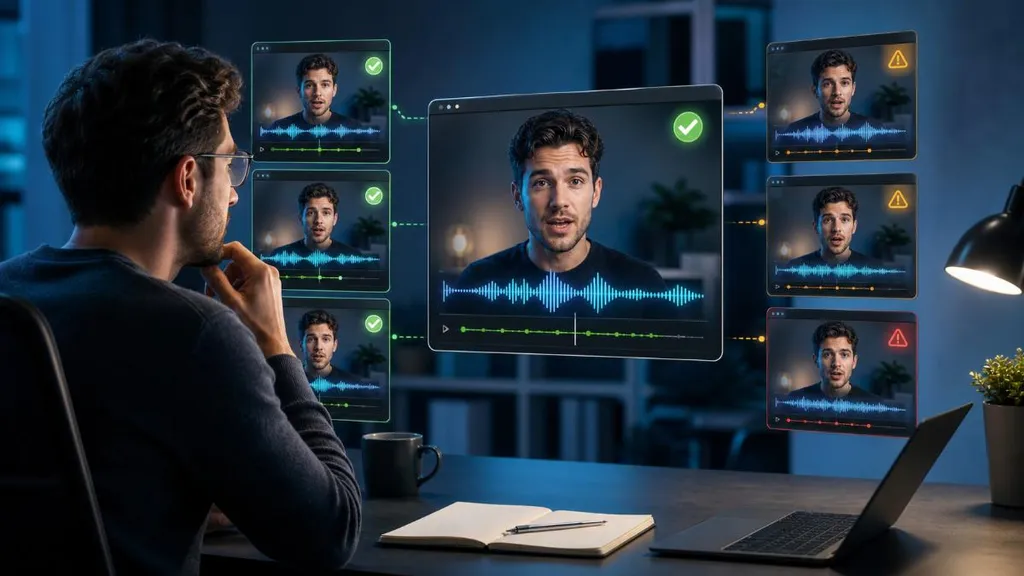

The Rise of Deepfake Technology in Virtual Conferencing
As the virtual landscape continues to evolve, the utilization of advanced technologies like deepfakes has grown significantly. While this innovation offers exciting opportunities for creativity and virtual experiences, it also introduces complex challenges, particularly in the realm of video conferencing. Businesses must now navigate the precarious waters of trust and authenticity in communication, especially as incidents involving deepfake technology become more prevalent. For organizations seeking to ensure the integrity of their virtual meetings, exploring Deepfake protected Conferencing solutions can be invaluable.
Understanding Deepfake Technology and its Implications
Deepfake technology uses artificial intelligence to create synthetic media, which can replicate human expressions, voices, and even gestural nuances. While the potential for misuse is vast, the implications extend beyond entertainment and delve into serious security concerns. In the context of virtual conferencing, a deepfake can impersonate an employee, leading to fraudulent transactions or data breaches. The manipulation of audio and video content raises questions about authenticity, making it essential for organizations to understand how these technologies work.
Impact of Deepfakes on Online Collaboration
The rise of deepfake technology has disrupted traditional notions of online collaboration. It blurs the lines between reality and fabrication, causing skepticism among participants in virtual meetings. A study conducted in late 2025 revealed that 68% of professionals expressed concerns over the authenticity of video calls, highlighting the urgent need for effective protection measures. Moreover, organizations that fail to address deepfake vulnerabilities risk losing client trust and brand credibility.
Key Statistics on Security Threats in Video Conferences
- According to Cybersecurity Ventures, deepfake-related fraud is projected to cause losses exceeding $250 billion by 2027.
- A survey by Pexip found that over 75% of respondents had encountered deepfakes in some form during virtual meetings.
- Reports from the FBI indicate that the misuse of synthetic media is among the fastest-growing cybersecurity threats in 2026.
Why Deepfake Protection is Essential for Businesses
As the sophistication of deepfake technology increases, businesses must recognize the importance of implementing protective strategies. The consequences of deepfake attacks can be severe, leading to financial loss, legal liabilities, and reputational damage. Understanding the specific risks associated with deepfake vulnerabilities is the first step toward safeguarding organizational integrity in virtual meetings.
Identifying Risks Associated with Deepfake Vulnerabilities
The risks linked to deepfakes in online conferencing environments are not limited to impersonation; they also extend to misinformation and unauthorized access. For example, attackers might create deepfakes of C-suite executives to authorize fraudulent transactions, undermining corporate governance. Furthermore, as deepfake technology continues to advance, traditional security measures may become obsolete, leaving businesses exposed to sophisticated scams.
Effective Strategies for Protecting Virtual Meetings
To combat deepfake threats, businesses should adopt multi-layered strategies that include technological solutions and employee training. Organizations can implement deepfake detection algorithms that analyze video feeds in real-time, identifying discrepancies in facial movements or audio distortions. Additionally, establishing a set of protocols for identity verification during meetings can significantly enhance security, helping to ensure that participants are who they claim to be.
Legal and Ethical Considerations in Deepfake Scenarios
The emergence of deepfake technology has prompted lawmakers and regulatory bodies to assess its implications across various sectors. Organizations must remain informed about the evolving legal landscape, including the potential for liability in cases where deepfake media is used maliciously. Furthermore, ethical considerations must guide the use of synthetic media in business communications to maintain transparency and integrity.
Implementing Deepfake Protection Solutions
As awareness of the risks associated with deepfakes grows, so too does the development of protection solutions aimed at fortifying virtual conferencing environments. Businesses that adopt these solutions early will have a competitive advantage in ensuring the security and trustworthiness of their communications.
Overview of Current Technologies and Solutions
Several innovative technologies are currently available to counteract the risks posed by deepfakes. From AI-driven detection tools that identify synthetic media to advanced encryption techniques that secure video data, organizations can leverage these solutions to enhance their cybersecurity posture. Additionally, partnerships with cybersecurity firms specializing in deepfake protection can provide businesses with tailored strategies to defend against specific threats.
Best Practices for Secure Virtual Conferences
To maximize the efficacy of deepfake protection solutions, businesses should adhere to best practices for secure virtual conferencing:
- Conduct regular security audits of conferencing platforms and practices.
- Establish strict authentication protocols for all participants.
- Utilize end-to-end encryption to secure data transmission during meetings.
- Implement user training programs focused on recognizing potential deepfake incidents.
Choosing the Right Tools for Your Business
Selecting the appropriate tools for deepfake protection requires a comprehensive understanding of the organization's specific needs and the risks it faces. Businesses should evaluate potential solutions based on their scalability, cost-effectiveness, and the ability to integrate with existing systems. Moreover, consulting with cybersecurity experts can provide valuable insights into the most effective tools tailored for particular industries.
Case Studies: Deepfake Protected Conferencing Success Stories
Real-world examples provide compelling evidence of the importance of implementing deepfake protection solutions. Companies that have proactively adopted comprehensive strategies report significantly lower incidences of security breaches and enhanced trust in their virtual communications.
Real-World Examples of Effective Deepfake Protection
For instance, a leading financial institution successfully integrated deepfake detection software into their virtual conferencing system, resulting in the identification of multiple attempted fraud cases before any damage occurred. By utilizing real-time analysis and participant verification, the organization not only safeguarded sensitive financial information but also maintained client trust.
Lessons Learned from Security Breaches
Conversely, several high-profile breaches have illustrated the dire consequences of neglecting deepfake threats. A notable case involved a global tech firm that fell victim to a sophisticated deepfake scheme, resulting in a multi-million dollar loss and a significant drop in stock value. The incident highlighted the necessity for businesses to adopt proactive measures and stay ahead of emerging threats.
Measuring Success: Metrics and Key Performance Indicators
Organizations should develop metrics to evaluate the effectiveness of their deepfake protection strategies. Key performance indicators (KPIs) may include the number of detected deepfakes during meetings, the speed of response to security incidents, and overall participant satisfaction with virtual communication processes. Regularly measuring these indicators will allow businesses to adjust their strategies accordingly and enhance their protective measures.
Future Trends in Deepfake Protection for Conferencing
As we look towards the future, several trends are emerging that will shape the landscape of deepfake protection for conferencing. Organizations must stay informed to prepare against evolving threats and leverage new opportunities presented by technological advancements.
Emerging Technologies and Innovations for 2026
In 2026, we can expect to see greater automation in deepfake detection technologies. Machine learning algorithms will become increasingly sophisticated, enabling them to identify even the most subtle manipulations within video feeds. Additionally, blockchain technology may play a critical role in ensuring the provenance of video content, providing verifiable records of authenticity for all participants in a conference.
Preparing Your Business for Future Threats
To remain resilient against potential threats, businesses should cultivate a culture of security awareness. Implementing continuous training programs and encouraging open communication about security threats will empower employees to recognize and report suspicious activity. Additionally, organizations must remain adaptable to evolving technologies and regulatory changes in the deepfake landscape.
Expert Predictions on the Evolution of Deepfake Challenges
Industry experts predict that as deepfake technology evolves, so too will the methods used by cybercriminals. Future threats may include hybrid attacks that combine deepfake tactics with other forms of social engineering. This necessitates a multi-faceted approach to security that encompasses not only technology but also human factors.
What are the best practices to secure meetings against deepfakes?
Best practices include implementing user authentication, employing detection technologies, and ensuring continuous employee training on deepfake awareness.
How can businesses implement deepfake protection technology?
Businesses can start by assessing their specific needs, researching available tools, and integrating detection technologies within their existing conferencing infrastructure.
What are the legal implications of using deepfake technology?
The use of deepfake technology raises numerous legal concerns, including potential liability for fraud and compliance with emerging regulations aimed at synthetic media.
How do I identify a deepfake during video conferencing?
Key indicators of deepfakes include abnormal facial movements, mismatched audio, and inconsistencies in lighting and background. Utilizing detection tools can aid in identifying deepfakes in real-time.
What emerging trends should businesses watch for in 2026?
Businesses should monitor advancements in AI-driven detection technologies, the integration of blockchain for authenticity verification, and evolving regulations surrounding deepfake use.