Understanding Nyonya Cuisine: Origins and Significance
Nyonya cuisine, a vibrant blend of Chinese and Malay flavors, represents the culinary heart of the Peranakan culture. This fusion not only tantalizes the taste buds but also tells a story filled with history and cultural significance. As you delve into the world of nyonya4d, you'll discover how traditional dishes have evolved while retaining their essence. In this guide, we will explore the intricate details that define Nyonya cuisine, its deep-rooted histories, and its relevance in contemporary society.
What is Nyonya Cuisine?
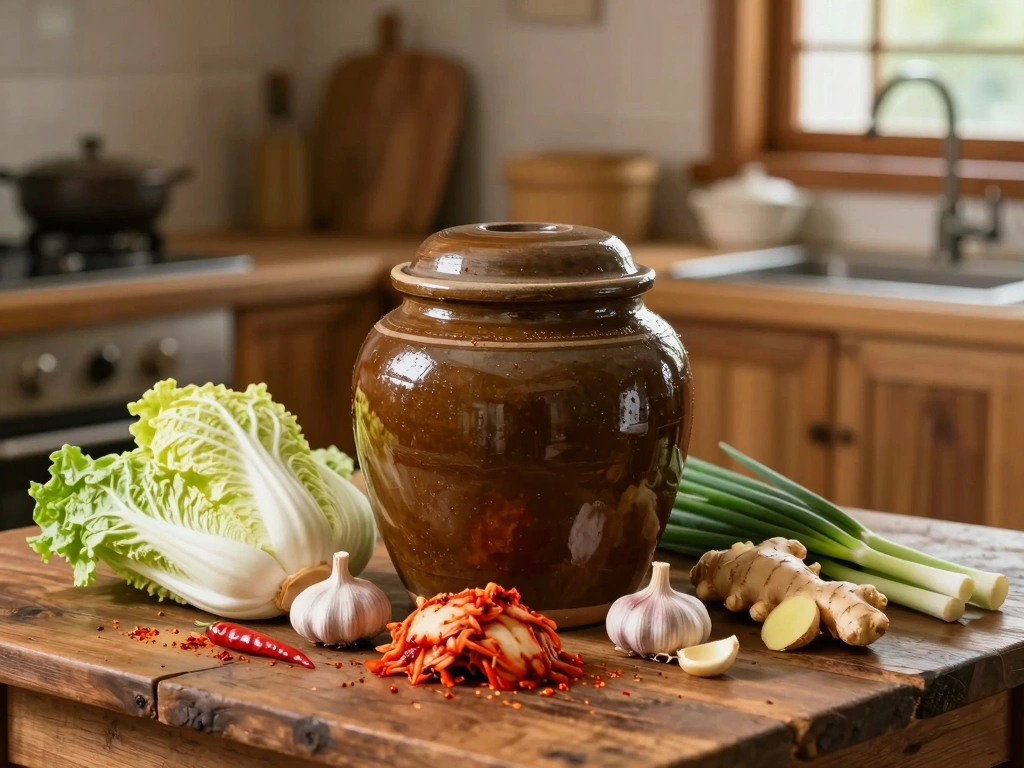
Nyonya cuisine, often referred to as Peranakan cuisine, is the cooking style of the Straits Chinese community known as the Peranakans, who settled in Southeast Asia. It is characterized by its rich flavors derived from a combination of spices, herbal ingredients, and cooking techniques that are unique to the region. The term 'Nyonya' refers to the women of the Peranakan culture, who have historically been responsible for the culinary arts within their families. This cuisine typically incorporates ingredients such as lemongrass, turmeric, and shrimp paste, which contribute to its complex and aromatic flavor profiles.
The Historical Roots and Evolution of Nyonya Dishes
The evolution of Nyonya dishes can be traced back to the 15th century when Chinese immigrants settled in the Malay Archipelago, marrying local Malays and adopting local herbs and spices into their cooking. Over centuries, these culinary practices combined to form what we now recognize as Nyonya cuisine. Today, dishes like Laksa, a spicy noodle soup, and Nasi Ulam, a rice dish with herbs, showcase the historical diversity and adaptability of Nyonya cooking. As globalization continues to impact culinary traditions, Nyonya cuisine has also incorporated international influences, allowing for innovation while respecting its roots.
Cultural Significance of Nyonya Cooking in Modern Society
In modern society, Nyonya cooking functions not only as a means of sustenance but also as a vital link to cultural identity and heritage. For many Peranakans, preparing and sharing traditional dishes during family gatherings and festivals fosters a sense of community and continuity. Furthermore, Nyonya cuisine has gained recognition beyond its cultural origins, inspiring chefs and food enthusiasts worldwide to experiment with these recipes, thus ensuring their survival and relevance in a rapidly changing global culinary landscape.
Popular Nyonya Dishes to Try in 2026
As Nyonya cuisine continues to gain popularity, 2026 presents an exciting opportunity for food enthusiasts to explore authentic dishes that embody the essence of this culinary art. Nyonya cuisine boasts an impressive array of flavor-packed dishes that are not only delicious but also steeped in tradition. Here are some must-try Nyonya dishes for an authentic experience:
Must-Try Nyonya Dishes for Authentic Experience
- Ayam Buah Keluak: A signature Nyonya dish featuring chicken cooked with the unique black nut, buah keluak, resulting in a rich, savory stew.
- Popiah: Fresh spring rolls filled with a mixture of vegetables, tofu, and sometimes meat, wrapped in a thin rice paper.
- Chendol: A refreshing dessert made with pandan-flavored jelly, coconut milk, and palm sugar syrup, perfect for hot weather.
- Otak-Otak: Grilled fish cake wrapped in banana leaves, flavored with a rich blend of spices, offering a delightful smokiness.
Innovative Twists on Traditional Recipes
The culinary scene is constantly evolving, and chefs are now experimenting with traditional Nyonya recipes to create innovative dishes that resonate with modern palates. For example, fusion dishes like Nyonya-inspired tacos or sushi incorporating Nyonya flavors reflect how the cuisine is adapting to contemporary trends while remaining anchored in its heritage. This approach not only makes Nyonya cuisine more accessible to a broader audience but also keeps the culinary tradition alive and thriving.
How to Find Nyonya Restaurants Near You
For those eager to dive into the world of Nyonya cuisine, locating authentic restaurants can be an essential part of the journey. Urban areas with significant Southeast Asian communities often feature Nyonya restaurants. Online resources and food apps can help you discover local favorites, while social media platforms like Instagram provide a window into culinary experiences through user-shared content. Don't hesitate to ask locals for their recommendations; word-of-mouth is often the best way to find the hidden gems of Nyonya dining.
Cooking Techniques and Best Practices
Mastering Nyonya cooking starts with understanding its unique techniques and ingredients. This section provides a comprehensive overview of the essential tools and methods for achieving authentic flavors in your kitchen.
Essential Ingredients for Nyonya Cooking
Typical ingredients crucial to Nyonya cuisine include:
- Kaffir Lime Leaves: Key for imparting a distinct citrus flavor.
- Lemongrass: Adds a fresh, aromatic essence to dishes.
- Belacan (Shrimp Paste): Provides umami depth and complexity.
- Sambal: A chili paste that varies in spiciness, often used as a base for many dishes.
Traditional Methods vs. Modern Techniques
While traditional Nyonya cooking relies heavily on methods such as grinding spices with a mortar and pestle, modern techniques like food processors can save time without completely sacrificing authenticity. However, the hand-ground spices are often preferred for their superior flavor and texture. Whether you prefer traditional or modern methods, the key is to balance the authenticity of flavors with convenience, allowing you to enjoy Nyonya cooking at home without a significant time investment.
Step-by-Step Guide to Cooking a Nyonya Dish at Home
To try your hand at Nyonya cooking, consider starting with a classic dish like Laksa Lemak. Here’s a simplified recipe:
- Prepare the Laksa paste by blending ingredients such as lemongrass, ginger, chilies, and shrimp paste.
- Cook the paste in a pot until fragrant, then add coconut milk and chicken broth.
- Incorporate your choice of proteins (chicken, prawns, or tofu) and simmer until cooked through.
- Serve over rice noodles, garnished with bean sprouts, boiled eggs, and fresh herbs.
Exploring Nyonya Culture Beyond Cuisine
Nyonya culture is rich and multifaceted, extending far beyond its culinary traditions. Understanding these cultural aspects offers a deeper appreciation for the cuisine itself.
Art and Craftsmanship in Nyonya Heritage
Nyonya craftsmanship is celebrated through its exquisite textiles, ceramics, and beadwork. The intricate designs and vibrant colors reflect the cultural blend that defines the Peranakan identity. Items like hand-beaded slippers (kasut manek) showcase stunning artistry and are often worn during special occasions, illustrating the cultural pride of the Nyonya community.
Festivals and Celebrations: A Cultural Overview
Traditional festivals such as Chinese New Year and Hari Raya are celebrated with great enthusiasm among the Nyonya people. These occasions often involve elaborate feasts featuring a medley of Nyonya dishes, highlighting how food plays a central role in cultural gatherings and celebrating heritage.
Influence of Nyonya Culture on Local Communities
The richness of Nyonya culture has significantly influenced local communities, especially in regions like Malaysia and Singapore. The blending of Malay and Chinese traditions has fostered a unique social fabric, encouraging cultural exchanges that promote harmony and mutual respect. This cultural synergy continues to inspire new generations to embrace and celebrate their diverse heritage.
Future of Nyonya Cuisine: Trends for 2026 and Beyond
As we move into 2026, the landscape of Nyonya cuisine is poised to evolve with emerging trends that reflect contemporary consumer preferences and global influences.
Emerging Trends in Nyonya Dining Experience
Restaurants are increasingly adopting sustainable practices, sourcing local ingredients, and offering plant-based versions of traditional dishes to cater to health-conscious diners. This shift not only meets consumer demands but also ensures the preservation of traditional culinary practices through sustainable practices.
Health Conscious Adjustments in Traditional Recipes
Modern diners are more health-conscious than ever, prompting chefs to modify traditional Nyonya recipes to reduce fat and sugar content without sacrificing flavor. Examples include using healthier oils, substituting coconut milk with lighter alternatives, and opting for leaner meat cuts. These adjustments make Nyonya cuisine accessible to a broader audience and align with contemporary dietary preferences.
Global Influences on Nyonya Cuisine and Its Evolution
With the rise of globalization, Nyonya cuisine is also influenced by international culinary trends. Ingredients and cooking techniques from various cultures have begun to find their way into Nyonya kitchens, resulting in exciting new dishes that reflect a harmonious blend of traditions. This evolution is important for keeping the cuisine relevant and appealing to new generations.
What Makes Nyonya Cuisine Unique?
The uniqueness of Nyonya cuisine lies in its harmonious blending of flavors and ingredients, showcasing the rich cultural heritage of the Peranakan people. The combination of Malay spices with Chinese cooking techniques creates dishes that are both diverse and deeply flavorful, representing a culinary tradition that stands out in the Southeast Asian gastronomic landscape.
How to Incorporate Nyonya Dishes into Your Lifestyle?
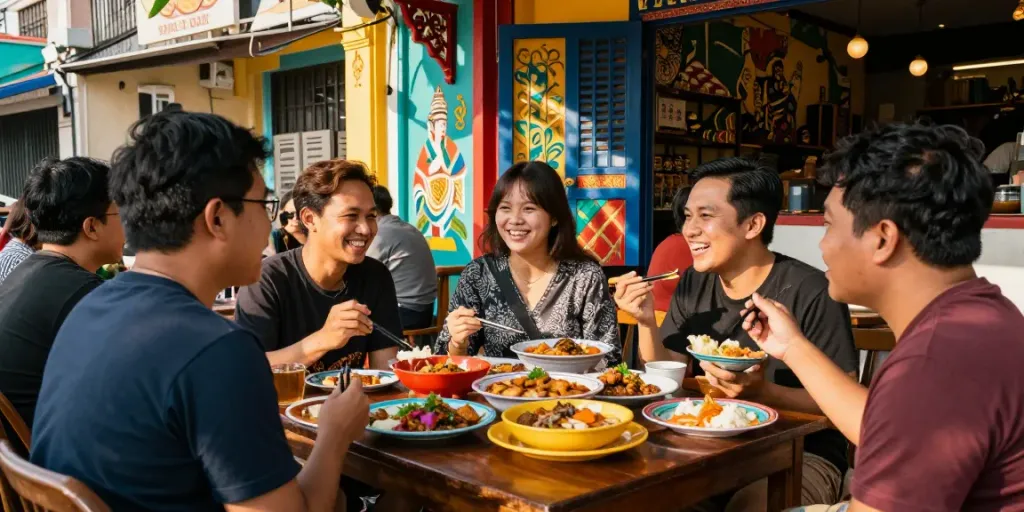
Incorporating Nyonya dishes into your daily life can be simple and rewarding. Start with easy-to-make recipes that fit your dietary preferences, and gradually explore more complex dishes as you become familiar with the flavors and techniques. Consider hosting Nyonya-themed dinners for friends and family to share the joy of this culinary heritage.
What Are the Health Benefits of Nyonya Cuisine?
Nyonya cuisine, rich in herbs and spices, offers numerous health benefits. Ingredients like turmeric and ginger are known for their anti-inflammatory properties, while lemongrass and kaffir lime can help with digestion. By focusing on fresh ingredients and balanced meals, Nyonya cuisine can be part of a healthy diet that supports overall wellness.
What Ingredients Are Key to Nyonya Cooking?
Key ingredients such as various herbs, spices, and pastes are fundamental to Nyonya cooking. Understanding their roles in flavor, texture, and nutrition can enhance your cooking skills and deepen your appreciation for the cuisine. Familiarizing yourself with these essential ingredients can make a significant difference in preparing authentic Nyonya dishes.
How Can I Learn to Cook Nyonya Dishes?
Learning to cook Nyonya dishes can be both enjoyable and educational. Consider enrolling in cooking classes, watching online tutorials, or utilizing cookbooks dedicated to this cuisine. Engaging with Nyonya communities, either online or locally, can also provide invaluable resources and support as you embark on your culinary journey.
Are There Modern Takes on Traditional Nyonya Dishes?
Indeed, many chefs are reinterpreting classic Nyonya dishes with modern twists, such as deconstructed versions of traditional meals or the incorporation of global flavors. This fusion approach not only attracts newcomers to Nyonya cuisine but also honors its roots by introducing innovative and exciting variations.
Where Can I Experience Nyonya Cuisine First-Hand?
To experience Nyonya cuisine authentically, seek out restaurants that specialize in Nyonya dishes in your area. Local food festivals or cultural events often feature Nyonya stalls, offering tasting opportunities that showcase a variety of dishes. Additionally, consider traveling to regions renowned for their Nyonya heritage to immerse yourself in the culinary culture directly.