
Understanding Improv Fundamentals
Improvisation, often referred to as improv, is a dynamic form of performance art that emphasizes spontaneity and creativity. For beginners, it offers an exciting opportunity to explore their artistic potential while developing essential life skills. Understanding the fundamentals of improv is crucial for anyone looking to engage in this art form, as it lays the groundwork for effective performance, interaction, and personal growth. If you're interested in diving deeper into the world of improv for beginners, this article will guide you through the key aspects of improvisation, helping you build a solid foundation.
What is Improv and Its Importance?
Improv is a type of theater where most or all of what is performed is created spontaneously by the performers. Unlike scripted performances, it relies heavily on dialogue and actions that are made up on the spot, encouraging quick thinking and adaptability. The importance of improv extends beyond the stage; it also enhances communication, fosters creativity, and builds confidence in various aspects of life, such as social interactions and professional environments.
The Core Principles of Improv for Beginners
At its heart, improv is guided by several core principles that are essential for beginners to master:
- Yes, and: This principle encourages acceptance and elaboration of ideas. Acknowledging and building upon what others say creates a collaborative atmosphere.
- Listening: Active listening is critical in improv. It allows performers to react appropriately to their partners and maintain the flow of the scene.
- Being present: Improv thrives on spontaneity, which requires participants to focus on the moment and let go of overthinking or fear of making mistakes.
- Support: Supporting fellow performers fosters a safe and nurturing environment where creativity can flourish.
Common Misconceptions About Improv
Many beginners come with preconceived notions about improv, often leading to apprehension. Some common misconceptions include:
- Improv is only for comedians: While humor is a significant aspect of improv, it is not the only element. Many improvisers engage in serious or dramatic themes.
- You need to be funny: Improv is more about honesty and authenticity than simply being funny. Comedy often emerges naturally through genuine interaction.
- Improv is easy: Improvisation requires a unique skill set, including quick thinking, creativity, and collaboration, all of which take practice to develop.
Essential Skills for Beginners
For those venturing into improv, mastering certain skills can significantly increase their chances of success. Below, we explore essential abilities every beginner should cultivate to thrive in improv.
Listening and Responding: The Keys to Successful Improv
Listening is perhaps the most critical skill in improv. Effective improvisation requires a keen awareness of your partner's cues, both verbal and non-verbal. By practicing active listening, performers can respond more intuitively and create scenes that resonate with authenticity. This skill leads to dynamic exchanges and keeps the energy flowing, ensuring each scene develops organically.
Building Confidence in Performance
Confidence in performance stems from understanding the basics of improv and practicing regularly. Beginners often struggle with self-doubt, but engaging in supportive workshops and scenarios helps build self-esteem. To enhance confidence:
- Start with low-stakes environments, such as informal group exercises.
- Practice regularly, as familiarity with various improv techniques will bolster self-assurance.
- Focus on your strengths and celebrate small victories to gradually build confidence.
Embracing Failure: Lessons Learned from Mistakes
Failure in improv is not only expected but also embraced as a valuable learning opportunity. Beginners should recognize that mistakes can lead to unexpected moments of brilliance. By viewing errors as stepping stones to improvement rather than setbacks, performers can cultivate resilience and a positive mindset.
Creative Exercises to Enhance Improvisation
Practicing improv can be both fun and rewarding. Creative exercises help beginners enhance their skills and become comfortable with spontaneous performance. Below are some effective exercises to kick-start your improv journey.
Warm-Up Activities to Get Started
Effective warm-ups set the tone for any improv session. Here are some great exercises to prepare your mind and body:
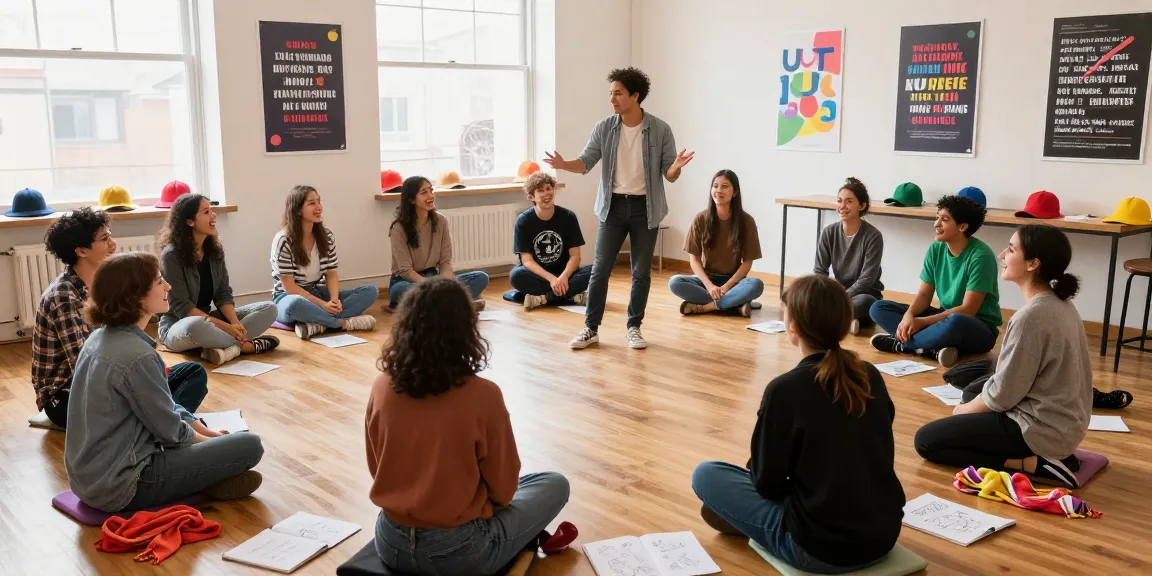
- Word Association: Participants sit in a circle and take turns saying a word in response to the previous word, stimulating quick thinking.
- Zip, Zap, Zop: A popular group activity where players pass a sound and gesture around the circle, fostering focus and energy.
- Mirror Exercises: Pair up and have one person mimic the movements of the other, promoting awareness and connection.
Group Games That Foster Teamwork
Teamwork is essential in improv. Here are some group games that emphasize collaboration:
- One Word at a Time Story: Participants create a story together, with each person contributing one word, encouraging creative collaboration.
- Scene Creation: In small groups, performers are given a situation to act out, learning to work together to create compelling narratives.
- Emotional Symphony: Players express different emotions simultaneously while remaining in sync, highlighting the importance of emotional responsiveness.
Solo Practices to Boost Improv Skills
Even when working alone, there are numerous exercises beginners can practice:
- Journal Prompts: Write down thoughts or experiences and improvise a short scene based on them to enhance storytelling abilities.
- Character Development: Develop a unique character, complete with backstory and motivations, then practice improvising scenes from that character's perspective.
- Mirror Practice: Alone, perform scenes in front of a mirror to analyze physicality and expressions, enhancing self-awareness.
Applying Improv Techniques Beyond the Stage
The skills developed through improv transcend the performance stage, enriching both personal and professional lives. Here's how to apply these techniques in various settings.
Using Improv in Everyday Communication
Improv principles can significantly enhance everyday conversations. By practicing active listening and the "yes, and" principle, individuals can improve their interpersonal communication skills. This leads to more engaging interactions, helping build connections and resolve conflicts. The spontaneity learned in improv also allows for more authentic, fluid dialogues.
Improv Skills for Professional Environments
In a corporate setting, improv skills can be transformative. For example:
- Teams that practice effective communication through improv are better at brainstorming and problem-solving.
- Improvisation fosters adaptability, which is crucial in fast-paced work environments.
- The ability to think on your feet can enhance presentations and negotiations, making professionals more effective.
Enhancing Creativity in Personal Projects
Improv encourages creative thinking and innovation, making it a valuable tool for personal projects. Whether writing, acting, or developing business ideas, leveraging improv techniques can lead to unique solutions and creative breakthroughs.
Future Trends in Improv for Beginners
The world of improv is continually evolving. Here are some emerging trends to watch, especially for beginners looking to engage with the art form in 2026.
Emerging Online Platforms and Communities
With the rise of virtual platforms, online improv communities are becoming increasingly popular. These spaces allow individuals from diverse backgrounds to connect, collaborate, and learn from each other without geographical constraints. Online workshops and classes are making improv more accessible than ever.
Integrating Technology into Improv Workshops
The integration of technology, such as virtual reality and interactive apps, is set to revolutionize improv training. These advanced tools offer immersive learning experiences, allowing beginners to practice in simulations that replicate live performances.
The Role of Improv in Mental Wellness by 2026
As awareness of mental health continues to grow, improv is being recognized for its therapeutic benefits. Engaging in improv can reduce anxiety, improve mood, and enhance social skills, making it a valuable tool in mental wellness programs.
What are the basic rules of improv?
The fundamental rules of improv revolve around acceptance, active listening, and collaboration. Remember the "yes, and" principle, and focus on supporting fellow performers to create engaging and fluid scenes.
How can beginners overcome stage fright during improv?
Overcoming stage fright involves building confidence through practice and familiarization with the performance environment. Warm-up exercises, positive affirmations, and supportive peers can significantly ease nerves.
What resources are available for learning improv online?
Many online platforms offer workshops, tutorials, and community forums for improv enthusiasts. Websites dedicated to improv education provide valuable resources for beginners looking to enhance their skills.
How can improv enhance teamwork skills in a corporate setting?
Improv fosters collaboration, effective communication, and adaptability, all of which are crucial for successful teamwork. For more information, beginner improv offers valuable insights. Through improv exercises, teams can learn to trust one another and work cohesively towards common goals.