
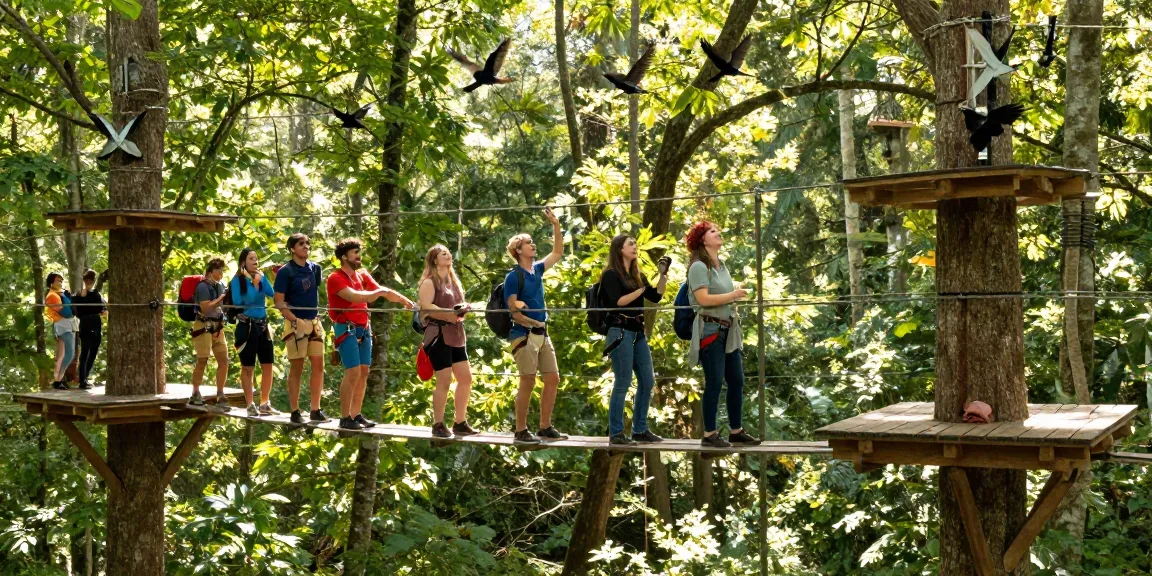
The Wonders of the Treetop Walkway
Imagine walking high above the forest floor, surrounded by the vibrant hues of leaves and the gentle rustle of wildlife. The Treetop Walkway offers this unique experience, allowing individuals to immerse themselves in nature from an entirely new perspective. Treetop walkways elevate visitors above the ground, providing a unique opportunity to explore the intricate ecosystems hidden in the canopy of trees. This article delves into the fascinating world of treetop walkways, their history, benefits, and how to plan an unforgettable visit.
What is a Treetop Walkway?
A treetop walkway, also known as a canopy walkway, is an elevated path that allows people to walk amongst the treetops. These structures are designed to be safe and accessible while providing breathtaking views of the forest below and the canopy above. Spanning various lengths and heights, treetop walkways are found in forests and parks worldwide, and they serve as an eco-friendly method for exploring nature without disturbing wildlife habitats.
History and Evolution of Treetop Walkways
The concept of elevated walkways originated from the need to study and preserve forest ecosystems without causing significant damage. The first modern canopy walkways emerged in the 1970s, primarily for research purposes. Over the years, these structures transitioned into tourist attractions, allowing the public to appreciate the beauty of forests from a new vantage point. Today, treetop walkways can be found in numerous locations globally, each with its unique features and challenges.
Unique Features and Design
Treetop walkways vary significantly in design, depending on location, purpose, and the environment they inhabit. Many of these walkways incorporate sustainable materials and designs that blend seamlessly with their surroundings. Some are constructed from wood, while others use metal and glass to create a modern, transparent experience. Features such as observation towers, interactive exhibits, and viewing platforms can be integrated to enhance the visitor experience, making each pathway a unique adventure.
Experiencing Nature from Above
Walking among the treetops offers a unique perspective on nature that cannot be replicated on the forest floor. From the height of a treetop walkway, visitors can truly appreciate the complexity of ecosystems and the intricate relationships between flora and fauna.
Benefits of Walking Amongst the Treetops
One of the most significant benefits of walking along a treetop walkway is the exposure to fresh air and the natural environment. This immersive experience can lead to increased mental well-being, reduced stress levels, and a greater appreciation for nature. Studies have shown that spending time in green spaces can boost mood and improve cognitive function.
Wildlife Observation Opportunities
Treetop walkways provide unparalleled access to observe wildlife in their natural habitat. Many species spend their lives in the treetops, and a walkway allows visitors to spot birds, squirrels, and even insects that are rarely seen from the ground. This observation not only enriches the visitor experience but also promotes biodiversity awareness and conservation efforts.
Health Benefits of Outdoor Activities
Engaging in outdoor activities like walking on a treetop walkway encourages physical exercise, which is beneficial for heart health, muscle strength, and overall fitness. Furthermore, the combination of physical activity and the therapeutic effects of nature can amplify the health benefits, making it an excellent choice for families, groups, and individuals seeking to maintain an active lifestyle while enjoying the great outdoors.
Planning Your Visit to the Treetop Walkway
To ensure a memorable experience, careful planning before visiting a treetop walkway is essential. Factors such as location, timing, and necessary preparations can greatly enhance your adventure.
Best Locations for Treetop Walks
There are many stunning locations worldwide that offer treetop walkways. In the US, places like the Wild Walk at The Wild Center in New York and the Murch Canopy Walk in Ohio provide breathtaking views and unique experiences. In Europe, the Treetop Walkway at Kew Gardens in London showcases beautiful landscapes and diverse flora. Each location has its charm and attractions, making it worth exploring each one.
Seasonal Considerations and Timing
Timing your visit can significantly impact what you experience. Spring and autumn are often the best times to see vibrant colours, while summer offers the chance to observe abundant wildlife. Many walkways can be busy during weekends and holidays, so consider visiting during weekdays for a quieter experience. Additionally, planning for the weather is essential, as rain and strong winds can affect accessibility.
What to Pack for Your Adventure
Being well-prepared for your visit can ensure a more enjoyable experience. Essentials include:
- Comfortable walking shoes
- Weather-appropriate clothing
- Water and snacks
- Camera or binoculars for wildlife observation
- First-aid kit for minor injuries
Bringing these items can help you fully appreciate your time among the treetops.
Safety and Environmental Considerations
Safety is paramount when engaging in treetop experiences. Educating oneself about the rules and regulations of each walkway ensures that every visitor can enjoy their experience without accidents or mishaps.
Understanding Safety Measures on Walkways
Most treetop walkways implement strict safety guidelines and regulations, including weight limits, age restrictions, and necessary safety gear. Observing these guidelines ensures not just your safety but also that of other visitors. Various walkways may offer additional safety measures such as harnesses or guides for particularly adventurous installations.
Impact on Local Ecosystems
While treetop walkways are designed to minimise environmental impact, it is crucial to consider their effects on local ecosystems. Proper design and construction can help preserve surrounding flora and fauna. Awareness of these impacts is essential for maintaining the delicate balance between human interaction and environmental preservation.
Best Practices for Eco-Friendly Visiting
Visitors can contribute to protecting the environment by adopting eco-friendly practices such as:
- Staying on designated paths
- Not disturbing wildlife or plants
- Bringing reusable containers for snacks and drinks
- Following all posted guidelines and respecting local wildlife
These practices not only safeguard the environment but also enhance the experience for all visitors.
Future Trends in Treetop Walks
The future of treetop walkways is bright, with innovations in design and technology promising to enhance visitor experiences and environmental stewardship.
Innovative Designs and Technology in 2026
As technology advances, treetop walkways are evolving. Future designs may include interactive elements such as augmented reality experiences that educate visitors about the flora and fauna surrounding them. These innovations create a deeper connection with nature and encourage environmental awareness and appreciation.
Community Engagement and Conservation Efforts
Increasingly, treetop walkways are becoming centres for community engagement and education. Workshops, guided tours, and events focused on conservation efforts help establish a connection between visitors and their environment. By encouraging participant involvement, these initiatives aim to foster a sense of responsibility towards environmental stewardship.
The Role of Treetop Walkways in Ecotourism
Treetop walkways are a growing trend within ecotourism, offering sustainable travel experiences that promote the conservation of natural resources. As more travellers seek eco-friendly adventures, treetop walkways present an excellent opportunity for communities to benefit economically while preserving their surrounding ecosystems.
What are the opening hours and best time to visit the Treetop Walkway?
Each treetop walkway has its specific opening hours, often varying between seasons. It is advisable to check the local website or contact the facility before planning your visit. Early mornings or late afternoons tend to be less crowded and offer the best light for photography.
Are there age or height restrictions for participants?
Many treetop walkways implement age or height restrictions to ensure the safety of all visitors, particularly children. Always check specific walkway guidelines for detailed information regarding any restrictions before planning your visit.
What should visitors expect in terms of accessibility?
Accessibility varies from one treetop walkway to another. While many are designed to accommodate individuals with mobility impairments, some may have limitations due to their design or location. It is essential to check for accessibility features in advance to make informed decisions about your visit.
How do treetop walkways contribute to environmental education?
Treetop walkways serve as educational platforms that raise awareness about local ecosystems. By providing visitors with a unique vantage point, they offer insight into the importance of conserving these environments. Educational signage and guided tours can further enhance understanding and appreciation of the biodiversity that thrives in these habitats.
What makes a specific Treetop Walkway stand out among others?
Each treetop walkway has its unique features, from architectural design to the surrounding flora and fauna. Factors that may distinguish a walkway include its height, the types of trees it traverses, interactive elements, and the educational programs it offers. Choosing a walkway that aligns with personal interests can significantly enhance the experience.