
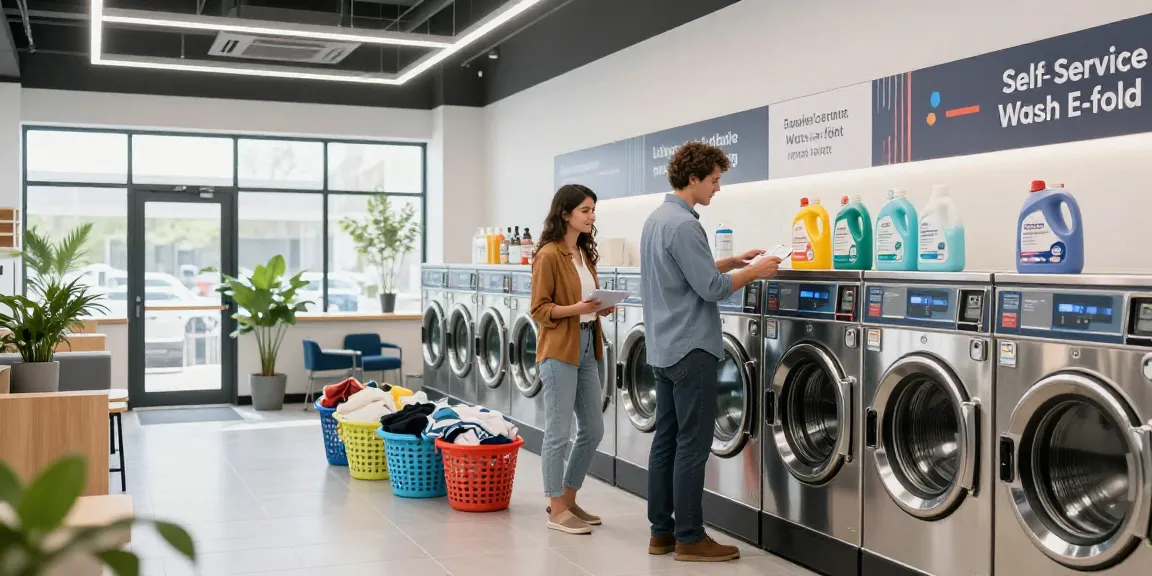
Understanding Laundromat Startup Costs
Starting a laundromat can be a lucrative venture if approached with careful planning and an understanding of the associated costs. Laundromat startup costs can vary significantly depending on a range of factors, including location, equipment choices, and local market conditions. As entrepreneurs delve into this business model, it’s essential to grasp what these costs entail to make informed decisions and set realistic expectations.
When exploring options, laundromat startup costs can fluctuate based on various components, from leasing the property to purchasing high-quality machines. By breaking down these components, entrepreneurs can better prepare for the financial commitments required in this industry.
What are the key components of laundromat startup costs?
The startup costs for a laundromat can be categorized into several key components:
- Lease or Purchase Costs: Renting or buying a commercial space is often the most significant expense. The cost will depend on the location, size, and market demand.
- Equipment Costs: This includes washing machines, dryers, folding tables, and possibly other services like vending machines for detergents.
- Renovation and Furnishing: Depending on the condition of the space, renovations may be necessary to create a welcoming and efficient layout.
- Permits and Licenses: Securing the necessary permits for operation can incur additional costs.
- Insurance: Business insurance is required to protect against potential liabilities.
- Marketing Expenses: Initial investment in marketing is crucial for attracting customers.
How initial investments can impact long-term profitability?
Investing wisely during the startup phase can significantly influence long-term profitability. High-quality equipment, for example, may require a larger initial investment but can lead to lower maintenance costs and higher customer satisfaction over time. A well-chosen location will pay dividends in foot traffic and brand recognition. Conversely, cutting corners to save money can lead to higher operational costs, reduced service quality, and lost customers.
Common misconceptions about laundromat expenses
Many new investors hold misconceptions about laundromat operations. One common myth is that the business is entirely passive; while it can provide a steady income, it requires ongoing management, including maintenance, customer service, and marketing. Another misunderstanding is about the scalability of laundromats; while some owners may wish to expand, this requires substantial planning, capital, and market research.
Essential Equipment and Their Costs
Breakdown of washing machines and dryers costs
The backbone of any laundromat is its equipment. The cost of washing machines and dryers plays a pivotal role in determining overall startup expenses. High-efficiency machines typically range from $700 to $20,000 each, depending on the brand, capacity, and features. It's important to consider not only the upfront costs but also the long-term savings associated with energy-efficient models, which can reduce utility bills significantly.
What other equipment do you need for a successful laundromat?
In addition to washing machines and dryers, several other essential pieces of equipment contribute to the success of a laundromat:
- Folding Tables: Providing adequate space for customers to fold their laundry is crucial for customer satisfaction.
- Change Machines: Offering users the ability to easily convert bills into coins is a must-have for convenience.
- Vending Machines: Selling laundry supplies can add an additional revenue stream.
- Surveillance Cameras: Security systems are vital for reducing theft and ensuring the safety of customers and their belongings.
How to source and finance equipment effectively
When sourcing equipment, options include purchasing new machines from manufacturers, buying used machines, or even leasing. Each option has its pros and cons. New equipment may come with warranties, while used machines can significantly lower initial investment costs. Financing options such as small business loans, grants, or leasing agreements can help manage cash flow while acquiring the necessary equipment.
Location and Its Financial Implications
How to evaluate the best locations for laundromats?
The location of a laundromat is one of the most critical factors that influence its success. When evaluating potential sites, consider elements such as population density, foot traffic, local competition, and the demographics of the area. Locations near apartments or densely populated neighborhoods tend to perform better, as they provide a consistent customer base.
Impact of local demographics on startup costs
Demographics can significantly impact startup costs and operational strategies. Areas with a high population of renters may provide more customers, while neighborhoods with affluent homeowners might have less reliance on laundromat services. Understanding local income levels can also help tailor services and pricing strategies to match the community's expectations.
Lease vs. purchase: cost analysis for laundromat space
Choosing between leasing and purchasing real estate involves financial considerations. Leasing may require less upfront capital but can lead to significant long-term costs. On the other hand, purchasing property can create equity over time and provide greater control over the business space. Conducting a thorough cost analysis that includes potential appreciation and operational needs is essential for this decision.
Operational Costs Post-Startup
What ongoing expenses should be anticipated?
Understanding ongoing operational expenses is crucial for maintaining a profitable laundromat. Key recurring costs include:
- Utilities: Water, electricity, and gas are among the most significant operational costs in laundromats.
- Maintenance: Routine maintenance on machines and facilities can add up quickly if not managed properly.
- Salaries: If employing staff, payroll will be a substantial part of operational expenses.
- Supplies: Costs for cleaning supplies, vending stock, and other necessities should be accounted for in budgeting.
How to budget for utilities and maintenance?
Creating a structured budget for utilities and maintenance involves analyzing past usage (if available) and projecting future needs based on the laundromat's scale. Establishing relationships with providers can also lead to negotiated rates that may lower utility costs. Regular maintenance checks on machines can help avoid costly repairs in the long run, making budgeting essential to operational success.
Strategies for optimizing operational efficiency
To enhance operational efficiency, laundromat owners should consider implementing smart scheduling for staff, regularly servicing machines to maintain peak performance, and utilizing energy-efficient equipment. Additionally, investing in technology that automates processes, such as payment systems and customer tracking, can optimize both customer experience and operational management.
Future Trends in Laundromat Operations
Emerging technologies changing laundromat startup costs
The introduction of advanced technologies is reshaping the laundromat industry. Automated systems for payment and operations can reduce labor costs and enhance customer convenience. Mobile apps that allow users to pay for services or check machine availability will likely become standard, impacting startup costs through initial investments in technology.
What’s trending in customer service innovations?
Enhancing customer service is becoming increasingly important within the laundromat space. Innovations like loyalty programs, subscription models, and enhanced customer interaction through mobile platforms are changing the way laundromats engage with customers. These trends can require upfront investment but can lead to higher customer retention rates and profitability.
Predictions for the laundromat industry in 2026 and beyond
As we look towards 2026, the laundromat industry is expected to continue evolving, driven by advancements in technology and shifting consumer behaviors. Contactless payments, eco-friendly machines, and integrated community services that promote sustainability may dominate the market. Understanding these trends can help entrepreneurs anticipate future costs and demands, positioning their businesses for success in a competitive landscape.
What are the average startup costs for a laundromat?
The average startup costs for a laundromat can range significantly, often between $200,000 to $500,000. This variation will depend on many factors, including the chosen location, equipment quality, and business model.
How to create a business plan for a laundromat startup?
A well-structured business plan for a laundromat should outline the market analysis, operational strategy, financial projections, and marketing plan. It serves as a roadmap for the business, guiding decision-making and attracting potential investors.
What financing options are available for laundromat entrepreneurs?
Various financing options are available to laundromat entrepreneurs, including traditional bank loans, small business administration (SBA) loans, crowdfunding, and private investments. Each option has its pros and cons, and it’s crucial to assess which aligns best with individual business goals and financial capabilities.
How can I minimize startup costs without sacrificing quality?
Minimizing startup costs while maintaining quality requires strategic planning. Consider purchasing high-quality used equipment, negotiating favorable lease agreements, and creating a realistic budget that accounts for both expected and unexpected expenses. Engaging with industry experts can also provide valuable insights into cost-saving strategies.
What are common pitfalls to avoid when starting a laundromat?
Avoiding common pitfalls can be critical to a laundromat's success. These include underestimating startup costs, neglecting proper market research, failing to account for ongoing operational expenses, and not understanding local competition. Strategizing for all stages of operation, from startup to ongoing management, is vital for sustained profitability.