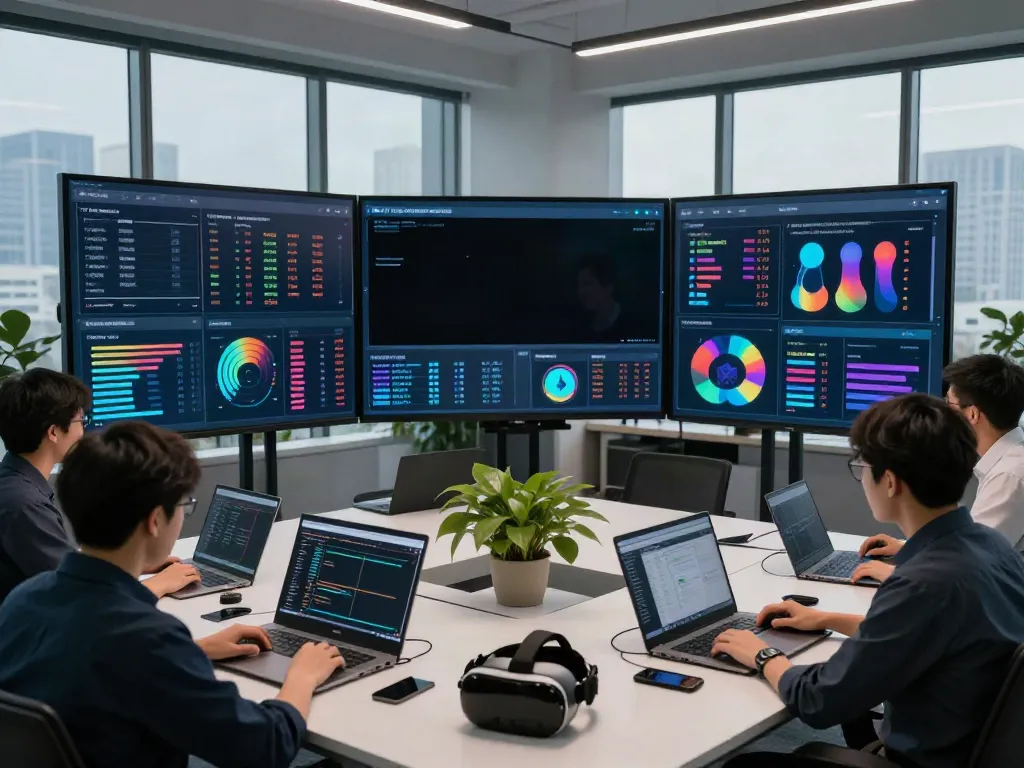

Understanding AI-Generated Image Detection
As artificial intelligence continues to revolutionize the way we create and consume digital content, the need for robust AI-Generated Image Detection technologies becomes increasingly critical. This innovative approach allows individuals and organizations to discern between authentic images and those generated or manipulated by AI algorithms. With the rapid proliferation of synthetic media in everything from marketing to journalism, understanding the mechanics and significance of image detection has never been more pertinent.
What is AI-Generated Image Detection?
AI-Generated Image Detection refers to the suite of techniques and tools designed to identify images that have been created or significantly altered by artificial intelligence. These detection methods leverage various algorithms that analyze pixel patterns, metadata, and the intricacies of image formation. Simply put, they enable users to ascertain the authenticity of visual content—crucial in an age where deepfakes and synthetic media are prevalent.
The Importance of Authenticity in Digital Media
In today's digital landscape, the authenticity of images is paramount. Misleading visuals can distort reality, influence opinions, and even cause harm to individuals and institutions. The implications are extensive, from misinformation campaigns in politics to the erosion of trust in news media. Therefore, AI-Generated Image Detection plays a vital role in ensuring that viewers can trust the content they encounter, enhancing transparency and integrity in digital communications.
How AI Models Analyze Image Authenticity
AI models employ various techniques to scrutinize images for authenticity. Common methodologies include:
- Machine Learning Algorithms: These algorithms are trained on vast datasets of both authentic and AI-generated images, allowing them to develop the ability to recognize nuanced differences.
- Feature Analysis: AI models analyze features such as artifacts, noise, and pixel structure which are often altered in AI-generated images.
- Metadata Examination: Authentic images generally contain metadata revealing the device and settings used for capture; discrepancies in this data can indicate manipulation.
Common Misconceptions in AI-Generated Image Detection
Debunking Myths About AI-Image Detection Accuracy
Despite the advancements in AI technology, many misconceptions persist regarding the accuracy and reliability of image detection tools. One prevalent myth is that these tools can provide 100% accuracy. In reality, while several detection systems are highly efficient, the rapidly evolving nature of AI-generated content poses ongoing challenges. AI models can be easily tricked by sophisticated alterations, leading to false negatives or positives.
The Limitations of Current Detection Technologies
Current detection technologies face numerous limitations. First, they often rely on specific datasets to train their algorithms, which can limit their ability to identify new types of generative techniques. Additionally, adversarial examples—images purposefully designed to confuse detection models—pose a significant hurdle, making it apparent that no detection method is infallible. Regular updates and continuous learning are necessary for these tools to remain effective.
Why AI Invents Images: Misunderstanding Intent
A common misunderstanding is that AI generates images with malicious intent. In most cases, AI is utilized to enhance creativity, streamline workflows, or facilitate design processes. However, the potential for misuse exists, especially in creating realistic deepfakes or misleading content. Understanding the intent behind AI-generated imagery is crucial for developing responsible practices and setting appropriate guidelines for use.
Best Practices for Leveraging AI-Generated Image Detection
Integrating Detection Tools into Digital Workflows
For organizations and individuals looking to uphold the integrity of digital media, integrating detection tools into existing workflows is essential. This can involve implementing image detection during content creation, utilizing plugins for web browsers, or employing dedicated software solutions that analyze media before publication. By adopting these practices, users can consistently vet images, ensuring that their content is authentic and reliable.
Evaluating AI-Detection Software: Key Features to Consider
When selecting AI-detection software, consider the following features:
- Accuracy Rates: Look for software with high detection accuracy, especially in identifying the latest AI generation techniques.
- User-Friendly Interface: A straightforward interface can streamline the detection process, allowing users of all technical backgrounds to participate.
- Real-Time Analysis: Opt for tools that provide real-time detection and analysis of images to enhance workflow.
- Regular Updates: Ensure the software is regularly updated to adapt to the evolving landscape of AI-generated visuals.
Case Studies of Successful AI Image Detection Implementation
Numerous organizations have successfully integrated AI-generated image detection into their operations:
- Media Outlets: Several major news organizations have implemented detection tools to verify the authenticity of images before publication, significantly reducing the incidence of misinformation.
- Educational Institutions: Universities are incorporating image detection into their academic integrity policies, ensuring that students do not submit AI-generated visual content as their own work.
- Social Media Platforms: Many platforms are employing detection technologies to flag or remove manipulated images, aiming to maintain a trustworthy environment for users.
Future Trends in AI-Generated Image Detection
Emerging Technologies and Methods in Image Detection
The future of AI-generated image detection is poised for significant advancements. Emerging technologies such as deep learning and neural networks will enhance detection capabilities, allowing for better identification of manipulated content. Additionally, federated learning—where multiple devices contribute to algorithm training without sharing data—could improve detection accuracy while addressing privacy concerns.
The Role of Regulation in Synthetic Media
As the landscape of AI-generated media evolves, regulatory frameworks will likely play a crucial role. Policymakers may introduce guidelines aimed at mitigating the risks associated with synthetic media, focusing on transparency, accountability, and ethical use. Such regulations could require disclosure when content is AI-generated, bolstering trust among consumers.
Predictions for AI-Generated Image Detection in 2026 and Beyond
Looking ahead to 2026, we can anticipate enhanced integration of AI-generated image detection across various sectors, driven by the need for responsible media consumption. Tools will likely become more sophisticated, employing advanced algorithms capable of adapting to new generative techniques. As media literacy improves, audiences will recognize the importance of verifying image authenticity, leading to a more informed society.
Frequently Asked Questions
How accurate is AI-Generated Image Detection technology?
The accuracy of AI-generated image detection varies by tool and methodology. Leading detection technologies can achieve up to 95% accuracy, but users should remain aware of potential limitations and regularly verify results.
What industries can benefit from AI image detection?
Various industries can benefit from AI image detection, including media, education, law enforcement, and marketing, where verifying the authenticity of visuals is crucial for maintaining credibility.
Are there free tools available for AI-Generated Image Detection?
Yes, numerous free tools are available for users seeking to detect AI-generated images. However, premium tools often provide enhanced features and greater accuracy, making them worthwhile investments for businesses.
How can I train my own AI detection model?
Training your own AI detection model involves gathering a significant dataset of both authentic and AI-generated images, selecting appropriate machine learning frameworks, and employing techniques such as supervised learning to refine model accuracy. Resources and tutorials are widely available for those interested in pursuing this path.
What are the ethical implications of AI-generated images?
The rise of AI-generated images raises ethical questions regarding authenticity, consent, and potential misuse. It is vital for creators and consumers to engage in discussions about the responsible use of these technologies to prevent harm and misinformation.