Understanding CNC Machining Parts
CNC machining parts are integral components in modern manufacturing, allowing for the precise production of a wide range of items. This advanced technology utilizes computer numerical control systems to drive machine tools, enabling high degrees of customization and efficiency. Whether you're in the automotive, aerospace, or medical industries, understanding the nuances of cnc machining parts can significantly influence your production capabilities and overall quality.
What are CNC Machining Parts?
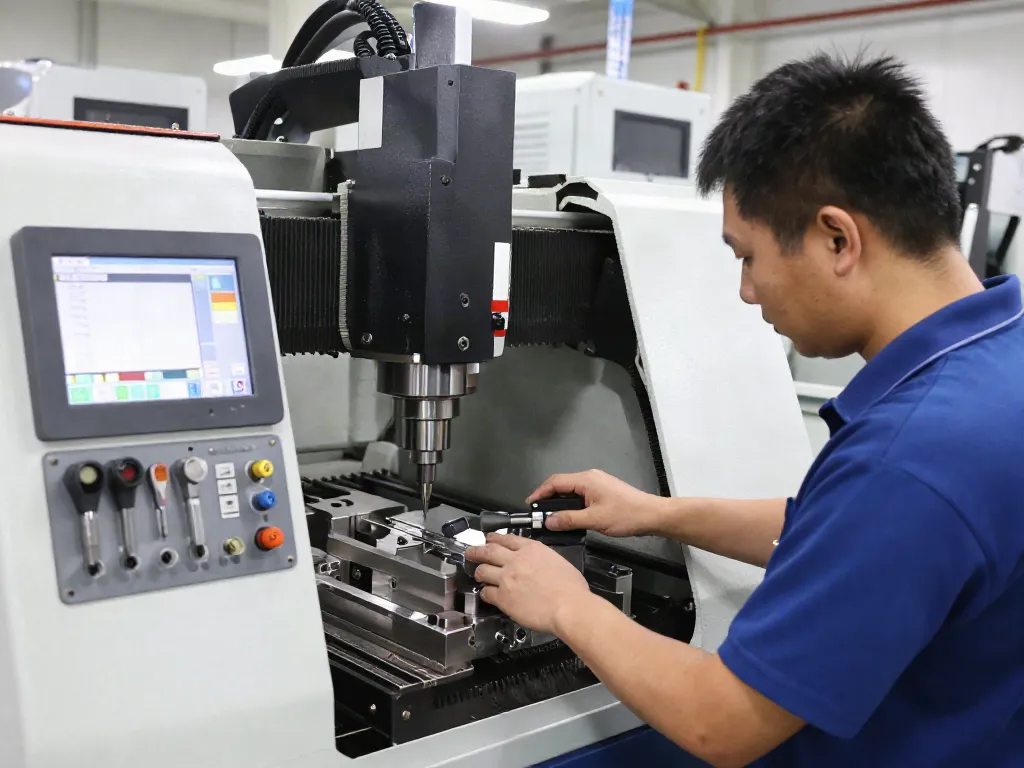
CNC machining parts refer to components manufactured using Computer Numerical Control (CNC) machinery, which automates the process of cutting, milling, turning, and shaping materials. This technology has revolutionized the manufacturing landscape, enabling suppliers to create complex shapes with high precision. From intricate designs to bulk production, CNC machining ensures that each part meets specific tolerances, showcasing its versatility across different sectors.
Key Benefits of CNC Machining in Manufacturing
- Precision: CNC machines operate with exceptional accuracy, producing parts that conform to tight tolerances.
- Efficiency: Automated processes increase production speed, allowing for quicker turnaround times.
- Versatility: Capable of handling various materials, including metals, plastics, and composites.
- Consistency: The repetitive nature of CNC machining ensures uniformity across all produced parts.
Common Materials Used in CNC Machining Parts
The materials used in CNC machining are as varied as the applications they serve. Common options include metals like aluminum and steel, which are prized for their strength and durability. Plastics, such as acrylic and polycarbonate, offer lightweight alternatives for less demanding applications. Additionally, advanced materials like titanium and composites are increasingly utilized in specialized industries like aerospace and medical manufacturing.
Precision and Quality Assurance in CNC Machining
As the demand for precision in manufacturing grows, so does the importance of quality assurance in CNC machining. Companies are now implementing rigorous quality control measures to ensure that every part meets stringent industry standards. By leveraging advanced technologies, organizations can enhance the precision of their products while minimizing waste.
Importance of High Precision in Manufacturing
The significance of high precision in CNC machining cannot be overstated. In industries such as aerospace, even the slightest deviation from specifications can lead to catastrophic failures. High-precision machining not only ensures product reliability but also enhances overall operational efficiency by reducing rework and scrap rates.
Quality Control Processes in CNC Machining
Quality control in CNC machining involves systematic verification of parts against predefined specifications. This can include automated inspection technologies, such as coordinate measuring machines (CMM), and manual checks to ensure compliance. Manufacturers must implement a robust quality assurance framework to maintain product integrity and consumer safety.
Innovative Techniques for Enhanced Accuracy
With ongoing advancements in technology, new techniques are emerging that enhance the accuracy of CNC machining. Innovations such as adaptive machining, which adjusts the machining process in real time based on feedback, are becoming increasingly prevalent. Additionally, the integration of IoT technology allows for better monitoring and data collection during production, further refining precision.
Applications of CNC Machining Parts across Industries
CNC machining is not confined to one sector; instead, its applications span multiple industries, each benefiting differently from this technology. From automotive fittings to medical devices, CNC machining plays a critical role in shaping the products we use daily.
CNC Machining in Automotive Manufacturing
In the automotive industry, precision-engineered parts are vital for safety and performance. CNC machining is used to create components ranging from engine blocks to intricate dashboard elements, ensuring compatibility and efficiency. The ability to rapidly produce prototypes also accelerates the design process, allowing for quick adjustments and innovations.
Role of CNC Machining in Aerospace Parts
The aerospace sector demands uncompromising quality and accuracy due to strict regulatory standards. CNC machining provides the necessary precision to craft lightweight yet robust components that contribute to overall aircraft performance. Parts such as turbine blades and fuel systems are elegantly machined to meet the stringent guidelines enforced by governing bodies.
Medical Devices: The Need for Precision Parts
In the realm of medical devices, precision is non-negotiable. From surgical instruments to implantable devices, CNC machining must adhere to the highest standards of quality control. This sector often utilizes advanced materials, and CNC technology enables manufacturers to create intricate designs that comply with healthcare regulatory requirements.
Navigating Challenges in CNC Machining
Despite the advantages of CNC machining, manufacturers face several challenges that can impact efficiency and output quality. Understanding these hurdles is essential for any business looking to harness the full potential of CNC technologies.
Common Misconceptions about CNC Machining Parts
A prevalent misconception is that CNC machining is suitable only for large production runs. In reality, CNC machining offers flexibility for both small and large batches, often with low setup costs. Additionally, many believe that CNC is limited to metal machining; however, its applications extend to various materials, enhancing its versatility.
Overcoming Production Challenges in CNC Machining
Production challenges, such as material waste and machine downtime, can be mitigated through proper training and maintenance. Implementing a preventative maintenance schedule ensures that machines remain in optimal working condition, while ongoing operator education enhances efficiency and avoids costly mistakes.
Best Practices for Efficient Machining Processes
- Optimize Tool Paths: Efficient tool path design reduces cycle times and minimizes wear on tools.
- Regularly Update Software: Keeping software up-to-date ensures that the latest features and improvements are utilized.
- Invest in Training: Continuous education for employees leads to a better understanding of CNC technology.
Future Trends in CNC Machining for 2026 and Beyond
The future of CNC machining is poised for transformation, with emerging technologies and changing consumer needs shaping its trajectory. As industries evolve, so too must the strategies employed in CNC machining.
Emerging Technologies in CNC Machining
As we approach 2026, technologies such as artificial intelligence and machine learning are set to revolutionize CNC machining. These innovations will streamline processes, enhance predictive maintenance, and enable smarter manufacturing solutions. Consequently, businesses will be equipped to adapt to changing demands swiftly.
Impact of Automation on CNC Machining Parts
Automation continues to influence CNC machining practices significantly. By integrating collaborative robots (cobots) into machining environments, manufacturers can enhance productivity while reducing human error. Automation will not only address labor shortages but also optimize workflow efficiency.
Predicted Market Trends and Consumer Needs
Forecasts indicate a growing demand for custom and on-demand manufacturing solutions. Consumers are increasingly seeking tailored products, prompting manufacturers to adopt flexible CNC machining practices. Additionally, the push toward sustainability will drive the adoption of eco-friendly materials and practices within the CNC machining landscape.
What are the 7 major parts of a CNC machine?
The seven major parts of a CNC machine include the following: the controller, drive motors, feedback system, machine tool, workbench, tool holder, and coolant system. Each of these components plays a crucial role in ensuring that the machine operates effectively and produces high-quality parts.
How much does it cost to get a part CNC machined?
The cost of CNC machining parts can vary significantly based on factors such as material, complexity, and production volume. Generally, pricing structures include setup fees, material costs, and per-part production costs, which can range from a few dollars to several hundred, depending on the specifics of the project.
What are CNC machined components?
CNC machined components are parts that have been manufactured using CNC technology, characterized by their precision and customizability. These components are integral to a wide array of applications, including automotive, aerospace, and medical industries, where precision engineering is paramount.