Understanding the Automatic Bag Palletizer Machine
The automatic bag palletizer machine is a revolutionary solution for industries that handle large volumes of bagged products. This equipment is designed to automate the process of stacking bags onto pallets, greatly enhancing efficiency and precision in packaging operations. As industries evolve, the demand for high-speed, reliable, and flexible palletizing solutions has surged, making the adoption of such technology crucial for competitive advantage.
What is an Automatic Bag Palletizer Machine?
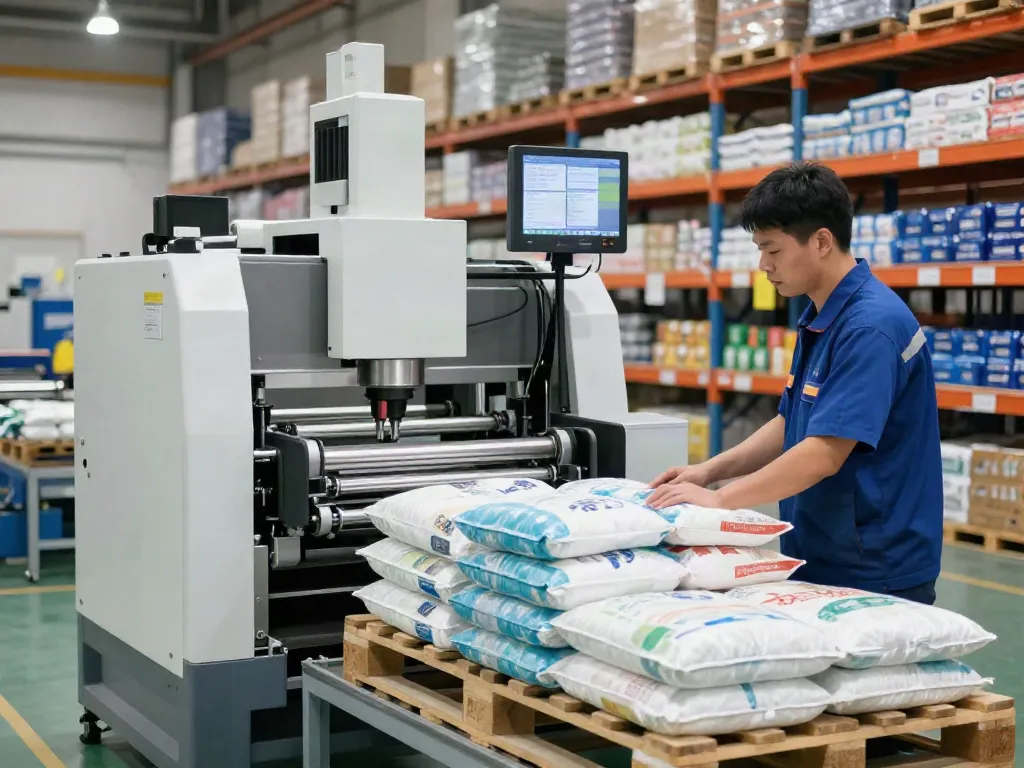
An automatic bag palletizer machine provides an advanced means to organize and stack bags, whether they contain food, chemicals, or other products. This machinery utilizes robotic arms or mechanical systems to efficiently pick and place bags in structured layers onto pallets, reducing the need for manual labor and minimizing the risk of injury. The technology is particularly beneficial for businesses that require high throughput and consistency.
Key Features and Technology Behind Bag Palletizers
Modern bag palletizers come equipped with a variety of features that enhance their functionality. These include:
- Robotics: Many automatic bag palletizers use advanced robotic arms that can handle a diverse range of bag sizes and weights, ensuring seamless adaptability in the production line.
- User-friendly Interface: A sophisticated yet intuitive interface allows operators to monitor and control the palletizing process with ease.
- High-Speed Capability: Today's machines can process between 10 to 25 bags per minute, significantly increasing output.
- Integration Flexibility: These machines can easily integrate into existing production lines, allowing for a streamlined workflow.
- Safety Features: Built-in safety mechanisms help prevent accidents and equipment damage during operation.
Benefits of Implementing Automatic Bag Palletizers
The advantages of investing in an automatic bag palletizer machine are substantial. First and foremost, they significantly automatic bag palletizer machine reduce labor costs by minimizing the need for manual stacking. Additionally, they enhance packing precision, leading to more stable pallet loads that can withstand transport stresses. Other notable benefits include:
- Increased efficiency: Automated loading means faster processing times and higher productivity.
- Consistency: Automated systems deliver uniformity in how bags are stacked, which is vital for quality control.
- Space Saving: There’s potential for more efficient use of floor space, as some models are designed to function in compact areas.
Choosing the Right Automatic Bag Palletizer Machine
Choosing the right automatic bag palletizer for your business requires a thorough understanding of your specific needs and operational scale. Considerations range from the type of bags being handled to the integration capabilities with existing equipment.
Factors to Consider When Purchasing a Bag Palletizer
When exploring options, it’s important to consider factors such as:
- Bag Size and Weight: Ensure the machine can handle the dimensions and weight of the bags you use.
- Production Volume: Assess your throughput requirements to determine the speed and configuration of the palletizer.
- Space Constraints: Evaluate the available floor space to ensure the selected model fits your facility.
- Budget: Keep your operational budget in mind while balancing cost against features and efficiencies.
Comparing Different Brands and Models
With numerous brands and models available, it's essential to conduct thorough comparisons. Look for reviews and testimonials from current users to gauge performance and reliability. Key performance indicators to evaluate include:
- Speed and efficiency ratings
- Ease of integration with existing systems
- Maintenance requirements and operational costs
Cost vs. Efficiency: Making an Informed Choice
When it comes to budgeting for an automatic bag palletizer, it's crucial to weigh the initial investment against long-term savings and productivity gains. Often, the most cost-effective solutions are those that provide robust performances while requiring minimal ongoing maintenance.
Installation and Maintenance Best Practices
Proper installation and ongoing maintenance of your automatic bag palletizer are critical to ensuring its longevity and optimal performance. A proactive approach to these factors can save significant costs in the long run.
Preparing Your Facility for Bag Palletizer Installation
Before installation, it’s vital to prepare your facility appropriately. Ensure that:
- The installation site is free of debris and obstructions.
- Electrical and communication systems are in place to support the equipment.
- Staff is trained on the new system to ensure smooth integration.
Routine Maintenance to Ensure Optimal Operation
Regular maintenance is essential for keeping your bag palletizer running smoothly. This includes:
- Routine cleaning of mechanical components to prevent dust accumulation.
- Regular checks and replacements of worn-out parts.
- Frequent software updates to enhance functionality.
Troubleshooting Common Issues with Bag Palletizers
Even the most advanced machines can experience issues. Common problems may include:
- Bag jams due to misalignment or lack of proper support.
- Inconsistent stacking caused by sensor misconfiguration.
- Mechanical failures that may arise from lack of maintenance.
Having a dedicated maintenance team can help address these issues promptly and efficiently.
Increasing Productivity with Automatic Bag Palletizer Machines
To fully leverage the capabilities of an automatic bag palletizer, companies must strategically integrate them into their existing production lines. This involves optimizing the entire workflow and addressing any bottlenecks that could hinder performance.
Integrating Bag Palletizers into Your Production Line
A successful integration involves an analysis of existing workflows, identifying touchpoints where automation can be introduced to improve efficiency. For instance:
- Streamlining the flow of materials to the bagging area to reduce downtime.
- Implementing real-time monitoring systems to track throughput and identify issues as they arise.
Optimizing Workflows for Maximum Efficiency
Implementing best practices for workflow optimization can significantly boost productivity. These practices may include:
- Synchronized operations across all packaging equipment to minimize idle times.
- Utilizing data analytics to assess performance metrics and adjust processes accordingly.
- Employee training programs focusing on new equipment and production methods.
Real-World Success Stories: Companies That Excelled
Numerous companies have reported significant improvements in efficiency and cost savings after integrating automatic bag palletizing systems into their operations. For instance, a major food manufacturer increased their output by 30% within the first year of implementation, showcasing the transformative effects of these machines.
The Future of Automatic Bag Palletization
The landscape of bag palletization is rapidly evolving, with advancements in technology paving the way for more efficient and flexible solutions. As we look towards 2026 and beyond, several emerging trends are becoming apparent.
Emerging Trends in Bag Palletizing Technology
Future innovations are likely to focus on enhancing automation capabilities, particularly through the use of AI and machine learning. These technologies can predict maintenance needs, optimize workflows in real-time, and adapt to changes in production demands.
How Automation Will Shape the Industry by 2026
As automation becomes increasingly integrated into manufacturing processes, businesses that embrace these changes are likely to thrive. The expectation is that automated systems will not only improve efficiency but also lead to higher quality output and reduced waste.
Preparing for Future Innovations in Bag Palletizers
To stay competitive, businesses should remain aware of technological advancements and consider how they can incorporate new features into their operations. Planning for upgrades and flexibility in machinery can position companies favorably in a rapidly changing market.
What are the common costs associated with an automatic bag palletizer machine?
The costs associated with purchasing and operating an automatic bag palletizer machine can vary widely depending on factors such as brand, model, and specific features. Initial purchase costs may range from tens of thousands to over a hundred thousand dollars, while ongoing operational costs will include maintenance, labor, and any necessary upgrades.
How do you choose the best automated bagging system?
Selecting the right automated bagging system requires a detailed assessment of your production needs, including bag size, weight, and target output. Engaging with suppliers and conducting hands-on demonstrations can help ensure you make an informed decision.
What types of industries benefit from bag palletizers?
Many industries stand to benefit from the integration of bag palletizers, including food and beverage, pharmaceuticals, chemicals, and consumer goods. Each of these sectors faces unique challenges that can be effectively addressed through automation.
What common problems can occur with palletizing automation?
Common issues with palletizing automation include equipment malfunctions, product misalignment, and programming errors. Regular maintenance and employing well-trained personnel can help mitigate these challenges.
What are the maintenance tips for keeping bag palletizers efficient?
To maintain efficiency, implement routine checks on all mechanical and electronic components, update software regularly, and provide continuous training for staff on best practices in operation and maintenance.